Wagyu beef commands prices that would have seemed absurd a generation ago — $500 per kilogram for top-grade cuts, $200 for a single burger patty at select restaurants, and auction prices exceeding $30,000 for a single animal. But behind the hype lies a sophisticated breeding system, a rigorous grading framework, and an export market that hit record highs in 2025. For international buyers, understanding what wagyu truly is — and what it isn’t — is the key to unlocking one of the most lucrative segments in global food trade.
What Wagyu Actually Means
The word “wagyu” (和牛) translates simply as “Japanese cattle.” But in the context of premium beef, it refers specifically to four breeds developed in Japan through centuries of selective breeding, each with distinct genetic traits that produce extraordinary intramuscular fat — the fine marbling that makes wagyu unlike any other beef on Earth.
The Four Breeds
Japanese Black (Kuroge Washu) accounts for over 90% of all wagyu production. This is the breed behind Kobe, Matsusaka, and most other famous regional brands. Japanese Black cattle have a unique genetic predisposition for marbling — they deposit fat within muscle tissue rather than around it, creating the signature web of white streaks through ruby-red meat.
Japanese Brown (Akage Washu), also known as Akaushi, produces leaner meat with a beefy, robust flavor. Raised primarily in Kumamoto and Kochi Prefectures, Japanese Brown wagyu appeals to consumers who want wagyu’s tenderness without the extreme richness of heavily marbled cuts.
Japanese Shorthorn (Nihon Tankaku) and Japanese Polled (Mukaku Washu) are rare breeds found mainly in northern Honshu and Hokkaido. Together they represent less than 2% of wagyu production. Japanese Shorthorn is known for its glutamic acid content — the amino acid responsible for umami — making its beef exceptionally savory despite lower marbling scores.
The Grading System: Understanding A5 and BMS
Japan’s beef grading system, administered by the Japan Meat Grading Association (JMGA), is the most rigorous in the world. Every carcass is evaluated on two axes:
Yield Grade (A, B, or C) measures the ratio of usable meat to total carcass weight. Grade A indicates above-average yield, B is average, and C is below average. This grade matters primarily to wholesalers and processors.
Quality Grade (1 through 5) evaluates four characteristics: marbling (Beef Marbling Standard, or BMS), meat color and brightness, fat color and luster, and firmness and texture. The quality grade is determined by the lowest-scoring characteristic — a carcass with BMS 12 marbling but subpar fat color would be downgraded.
The BMS scale runs from 1 to 12, with 12 representing the most intensely marbled beef possible. A5-grade wagyu must score BMS 8 or above. The difference between BMS 8 and BMS 12 is substantial in both appearance and price — BMS 12 beef, where white marbling nearly equals or exceeds the red meat visible to the naked eye, can command a 50-100% premium over BMS 8.
| Quality Grade | BMS Range | Marbling Description | Typical Price (USD/kg, wholesale) |
|---|---|---|---|
| A5 | 8-12 | Abundant to extraordinary | $200-$500 |
| A4 | 6-7 | Moderately abundant | $120-$200 |
| A3 | 3-5 | Moderate | $60-$120 |
| A2-A1 | 1-2 | Slight to traces | $30-$60 |
Sources: Japan Meat Grading Association; JLEC (Japan Livestock Export Promotion Council); industry wholesale data 2024-2025
The Major Brands: Regional Identities, Global Reputations
Kobe Beef
Kobe beef is the world’s most famous wagyu brand — and the most misrepresented. Authentic Kobe beef must come from Tajima-gyu cattle (a strain of Japanese Black) born, raised, and slaughtered in Hyogo Prefecture, graded A4 or A5 with BMS 6 or above. Only about 3,000 head qualify annually. The Kobe Beef Marketing and Distribution Promotion Association maintains a strict certification system, and each cut of genuine Kobe beef comes with a 10-digit ID number traceable to the individual animal.
Kobe beef was not exported at all until 2012. Even today, only a handful of countries receive legitimate Kobe exports — the United States, Hong Kong, Singapore, Thailand, the UK, and several others. Total exports represent a tiny fraction of production. The vast majority of “Kobe beef” served in restaurants outside Japan is not authentic.
Matsusaka Beef
Matsusaka beef, from Mie Prefecture, is often called the “queen of wagyu” in Japan. Matsusaka cattle are exclusively virgin female Japanese Black cows, believed by producers to develop finer, more evenly distributed marbling than steers. The animals are famously pampered — some farms reportedly play classical music and massage their cattle with shochu (though the extent of these practices varies). Matsusaka beef is known for its exceptionally low melting point fat, which literally dissolves on the tongue.
Omi Beef
Omi beef from Shiga Prefecture claims to be the oldest wagyu brand in Japan, with a history dating back over 400 years to the Edo period, when beef consumption was largely prohibited but Omi province was permitted to produce medicinal beef preserves for the shogunate. Omi beef is characterized by a fine-grained texture and a sweet, delicate fat.
Miyazaki Beef
Miyazaki Prefecture in southern Kyushu has emerged as a wagyu powerhouse, winning the prestigious National Wagyu Competition (the “Olympics of wagyu,” held every five years) multiple times. Miyazaki beef offers exceptional value compared to the “big three” brands while matching them in quality grade, making it an attractive option for international buyers seeking A5 wagyu at more accessible price points.
Export Growth: Record Numbers in 2025
Japanese beef exports have surged over the past decade, driven by relaxation of import restrictions in key markets, growing global demand for premium protein, and a weak yen making Japanese products more competitive internationally. The Ministry of Agriculture, Forestry and Fisheries (MAFF) has targeted annual beef exports of ¥360 billion by 2030 as part of its agricultural export strategy.
| Year | Export Volume (tonnes) | Export Value (JPY billions) | Export Value (USD millions, approx.) | Top Destinations |
|---|---|---|---|---|
| 2018 | 3,560 | 24.7 | 224 | Cambodia, Hong Kong, USA |
| 2019 | 4,339 | 29.6 | 271 | Cambodia, Hong Kong, USA |
| 2020 | 4,128 | 28.9 | 273 | Cambodia, Hong Kong, USA |
| 2021 | 5,894 | 53.6 | 487 | USA, Cambodia, Hong Kong |
| 2022 | 6,431 | 60.2 | 451 | USA, Hong Kong, Cambodia |
| 2023 | 7,208 | 67.8 | 490 | USA, Hong Kong, Taiwan |
| 2024 | 8,115 | 81.3 | 572 | USA, Hong Kong, Taiwan |
| 2025 (est.) | 9,200 | 95.0 | 668 | USA, Hong Kong, EU |
Sources: Japan Ministry of Finance Trade Statistics; MAFF Agricultural Export Promotion Division; JETRO
The United States overtook Hong Kong as the top destination by value in 2021 and has maintained that position. The EU market is growing rapidly following the EU-Japan Economic Partnership Agreement, which reduced tariffs on Japanese beef. China, the largest potential market, remains largely closed to Japanese beef imports due to BSE-related restrictions, though negotiations for market access continue.
Beyond Steak: How Wagyu Is Really Eaten
International perceptions of wagyu center on thick steaks seared on a grill. But in Japan, wagyu is used across a far broader range of preparations — many of which represent significant opportunities for restaurants and food-service operators worldwide.
Shabu-Shabu and Sukiyaki
Shabu-shabu (thin slices swished in hot broth) and sukiyaki (simmered in a sweet soy sauce broth) are the most common ways Japanese consumers eat premium wagyu. The beef is sliced paper-thin — 1-2mm — which allows the fat to melt instantly and makes even A5 wagyu less overwhelmingly rich than a thick steak. These preparations use cuts from across the entire carcass, including shoulder, round, and brisket, which are less expensive than the ribeye and striploin prized for steaks.
Wagyu Hamburgers
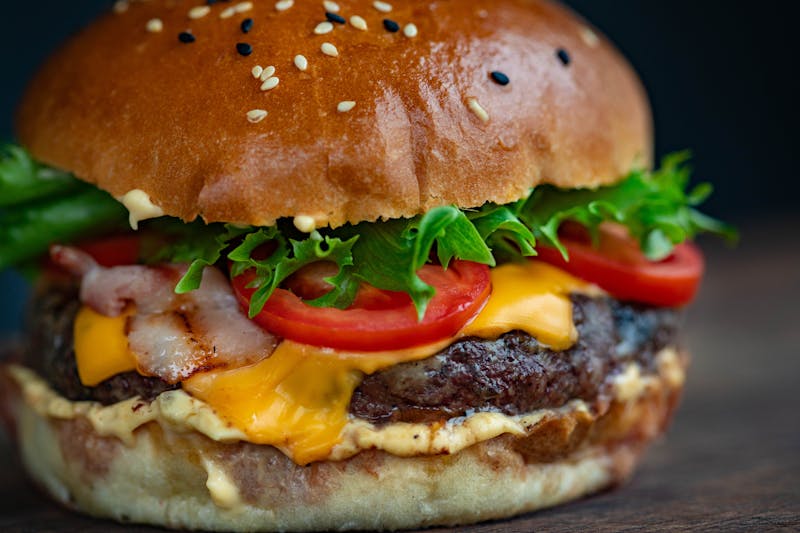
The wagyu hamburger has become a global phenomenon. Using trimmings and less prestigious cuts ground into patties, restaurants can offer a wagyu experience at a fraction of whole-cut prices. A wagyu burger at a premium restaurant in New York or London typically ranges from $25-$60 — expensive for a burger, but accessible compared to a $200+ wagyu steak. For importers, ground wagyu and wagyu patties represent high-volume, high-margin products with broad appeal.
Yakiniku (Japanese BBQ)
Yakiniku, where diners grill thin-cut beef at the table, uses a wide variety of cuts including karubi (short rib), harami (skirt steak), and tan (tongue). The interactive dining format has exploded internationally, with yakiniku restaurants opening in major cities from London to Bangkok. These restaurants consume significant volumes of wagyu across multiple quality grades.
Wagyu Sushi and Tataki
Lightly seared or even raw wagyu preparations — wagyu nigiri sushi, beef tataki, and carpaccio — highlight the meat’s texture and fat quality in ways that heavy cooking cannot. These dishes are increasingly popular in high-end Japanese restaurants and omakase counters worldwide.
The Fake Wagyu Problem
The term “wagyu” has no legal protection in most countries outside Japan. This has created a global epidemic of misrepresentation that hurts both consumers and legitimate Japanese producers.
In Australia and the United States, cattle with varying percentages of Japanese genetics are marketed as “wagyu” — from full-blood animals (100% Japanese genetics) to crossbreeds (as little as 6.25% Japanese blood, often called F1 crosses). While some full-blood Australian wagyu achieves excellent marbling, the quality range is enormous. A consumer ordering “wagyu” in an American steakhouse might receive anything from genuine imported A5 Japanese beef to a domestic crossbreed with minimal marbling.
The problem extends to outright fraud. Investigations by media outlets and food safety authorities have repeatedly found restaurants and retailers selling conventional beef labeled as wagyu, or domestic wagyu-cross products labeled as “Kobe” or “Japanese A5.” In 2023, a major European distributor was fined for relabeling Australian beef with Japanese-origin documentation.
For legitimate importers, traceability is the antidote. Every head of Japanese cattle is registered in a national database at birth and assigned a 10-digit identification number. This number follows the meat through slaughter, grading, cutting, and distribution. Buyers can verify authenticity through Japan’s individual cattle identification system, and many premium brands offer QR codes linking to full provenance data.
Import Regulations by Country
Importing Japanese beef requires navigating complex food safety, animal health, and trade regulations that vary by destination market:
United States: The USDA requires that Japanese beef processing facilities be individually approved for export to the US. Only beef from animals under 30 months of age is permitted, a legacy of BSE-related restrictions. All shipments require USDA-approved certificates of origin and sanitary inspection.
European Union: The EU-Japan EPA has reduced tariffs on Japanese beef from 12.8% toward zero over a transition period. EU food safety standards require traceability documentation and compliance with EU veterinary inspection protocols. Growth hormone-free certification is mandatory.
Hong Kong and Singapore: These markets have minimal import barriers for Japanese beef and serve as key hubs for redistribution across Asia. Both require basic health certificates and origin documentation.
Middle East: Halal certification is mandatory. Several Japanese slaughterhouses have obtained halal certification to serve this growing market, particularly in the UAE, Saudi Arabia, and Qatar, where demand for luxury food products is strong.
China: Mainland China has largely restricted Japanese beef imports since 2001 due to BSE concerns. Limited quantities enter through informal channels (often via Cambodia or Vietnam), but large-scale legal import remains unavailable. Market opening negotiations are ongoing and represent the single largest potential catalyst for Japanese beef export growth.
Sourcing Guide for Restaurants and Importers
For international buyers seeking to source authentic Japanese wagyu, the following approach is recommended:
Define your quality tier. Not every application requires A5. For burgers and ground products, A3-A4 wagyu offers excellent marbling at significantly lower cost. For steak and high-end sushi, A5 with BMS 10+ justifies the premium. For shabu-shabu and hotpot, even A3 produces outstanding results due to thin slicing.
Choose your cuts strategically. The price spread between cuts is enormous. Ribeye and striploin (sirloin) command the highest prices, while chuck, round, and shoulder clod offer similar marbling grades at 40-60% lower cost per kilogram. For restaurants, these secondary cuts can deliver wagyu experiences that are both authentic and financially sustainable.
Work with certified exporters. MAFF maintains a list of certified beef export facilities. Buying through certified channels ensures proper documentation, cold-chain management, and traceability. JETRO can facilitate introductions to exporters.
Attend trade shows. Foodex Japan (held annually in March in Tokyo) is the premier event for meeting Japanese beef producers and exporters. The Wagyu Olympics, held every five years (next in 2027), is an unparalleled opportunity to see Japan’s finest cattle and connect with breeders.
Start with smaller orders. Many exporters require minimum order quantities, but some specialize in smaller trial shipments for restaurants and retailers testing the market. Building a relationship through consistent smaller orders often leads to better allocation when supply is tight.
Interested in sourcing authentic Japanese wagyu or connecting with Japanese beef producers? Contact Japonity — we connect global buyers with Japan’s finest food and beverage companies.
Interested in Japanese business opportunities?
Whether you're looking for technology partners, engineering talent, or market insights — we can help connect you with the right Japanese organizations.
Get in Touch →