Japanese sake is no longer a niche drink reserved for sushi restaurants. In the last decade, sake exports from Japan have more than tripled, reaching record levels in 2025. The United States, China, Hong Kong, and increasingly Europe and Southeast Asia are driving demand — not just for premium junmai daiginjo, but for everyday drinking sake, sparkling sake, and sake-based cocktails.
For importers, distributors, and restaurant groups looking to tap into this trend, understanding the Japanese sake industry is essential. This guide breaks down what you need to know.
Why Sake Exports Are Booming
Three forces are converging to drive global sake demand:
Japanese food culture going mainstream. Sushi, ramen, izakaya-style dining, and omakase have moved from major cities to mid-size markets across the US, Europe, and Asia. As Japanese cuisine expands, so does sake.
The premiumization trend. Global consumers are trading up across all alcohol categories. Craft beer led the way, followed by artisanal spirits. Sake is next. A bottle of high-end daiginjo — rice polished down to 35% of its original size — offers a story, a craft process, and a flavor profile that resonates with today's premium-seeking drinker.
Japanese government support. Japan's Ministry of Agriculture (MAFF) and JETRO actively support sake exports through trade shows, subsidies, and promotional programs. Breweries that once had no international ambition are now attending trade events in New York, London, and Singapore.
Understanding Sake Categories
One of the biggest barriers for overseas buyers is the classification system. Unlike wine, which is organized by grape and region, sake is categorized by production method:
Junmai — Pure rice sake, no added alcohol. Full-bodied, rich.
Honjozo — A small amount of distilled alcohol added. Lighter, smoother.
Ginjo — Rice polished to at least 60%. Aromatic, fruity.
Daiginjo — Rice polished to at least 50%. The most refined category.
Junmai Ginjo / Junmai Daiginjo — Combines the purity of junmai with ginjo/daiginjo polishing. The premium sweet spot.
For importers, the key insight is this: junmai ginjo is the fastest-growing export category, offering the best balance of quality, margin, and consumer appeal.
Key Sake Regions and Breweries
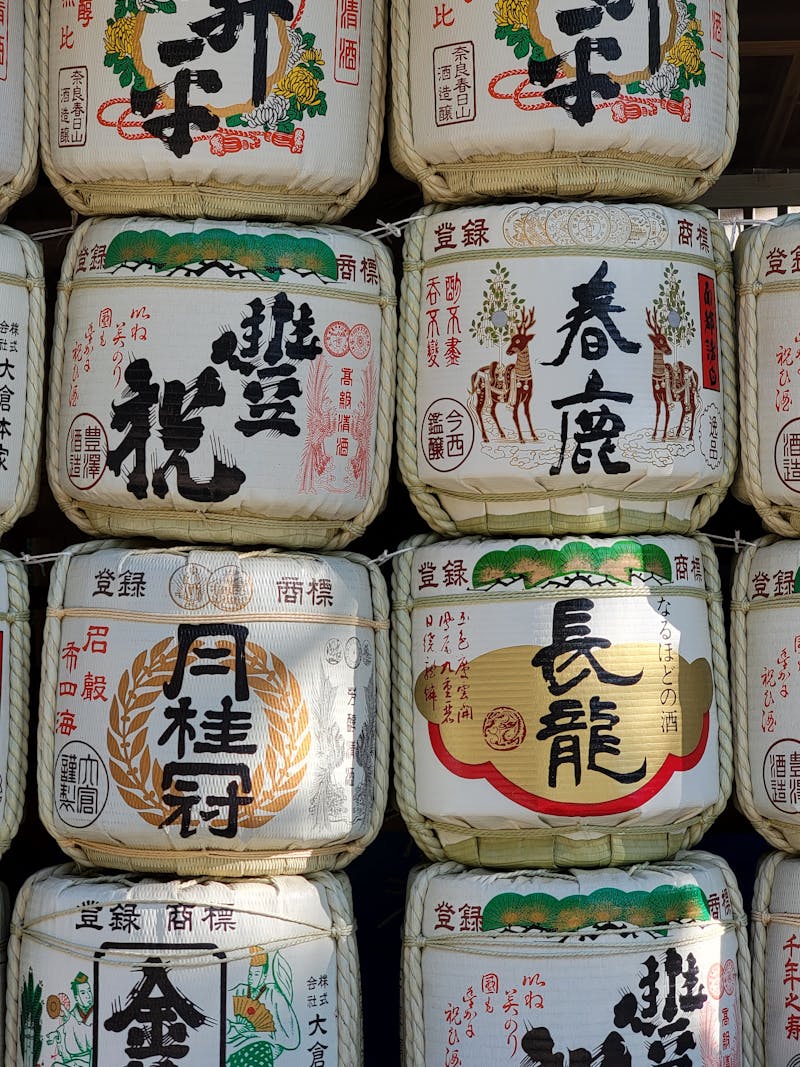
Japan has over 1,200 active sake breweries (kura), spread across nearly every prefecture. The major production regions include:
Niigata — Known for clean, dry sake. Home to brands like Kubota, Hakkaisan, and Asahi Shuzo (Dassai).
Hyogo (Nada) — The historic heart of sake production, near Kobe. Large-scale breweries dominate here.
Kyoto (Fushimi) — Soft water produces gentler, sweeter sake. Gekkeikan and Kizakura are based here.
Yamagata — A rising star. Known for boutique, craft-oriented breweries winning international competitions.
Akita — Cold climate and excellent rice produce increasingly sought-after sake.
How to Source Sake from Japan
There are three main routes for overseas buyers:
1. Trade shows. The largest are Sake Expo in Tokyo, FOODEX Japan, and the Japan Pavilion at ProWein (Germany). These events bring hundreds of breweries under one roof and are the fastest way to sample and connect.
2. JETRO and prefectural trade programs. Many prefectures run export promotion programs that match overseas buyers with local breweries. These are free and often include translation and logistics support.
3. Direct sourcing via a Japan-based partner. For buyers who want access to smaller, craft-oriented breweries that don't attend trade shows, working with a Japan-based sourcing partner is the most effective approach. Many of the best breweries produce only a few thousand bottles per year and sell out domestically.
Challenges to Watch
Cold chain logistics. Premium sake — especially unpasteurized nama sake — requires refrigerated shipping. This adds cost and complexity, but also creates a competitive moat for importers who invest in proper cold chain.
Labeling and regulation. Each country has different requirements for alcohol labeling. Japan's Geographical Indication (GI) system for sake is still evolving, and importers need to navigate both Japanese export regulations and their home country's import rules.
Education. Most overseas consumers still don't understand sake categories. Importers who invest in education — tastings, training for sommeliers, in-store events — tend to build stronger, more sustainable demand.
The Opportunity
Sake is at the same inflection point that Japanese whisky was ten years ago — right before global demand exploded. The breweries are ready, the government is supporting exports, and consumer interest is growing. The importers and distributors who move now will have first-mover advantage in a category that is only going to get bigger.
If you are looking to source sake from Japan — whether a single brewery partnership or a curated portfolio — contact Japonity. We connect overseas buyers with the right Japanese breweries.
Interested in Japanese business opportunities?
Whether you're looking for technology partners, engineering talent, or market insights — we can help connect you with the right Japanese organizations.
Get in Touch →