
Before the word “umami” entered the global culinary lexicon, before MSG became a pantry staple, and before Western chefs began chasing the fifth taste, Japanese cooks had already perfected the art of extracting deep, savory flavor from just two ingredients: seaweed and dried fish. Dashi — the foundational stock of Japanese cuisine — is now emerging as one of Japan’s most promising food exports, with applications ranging from fine dining to industrial food manufacturing.
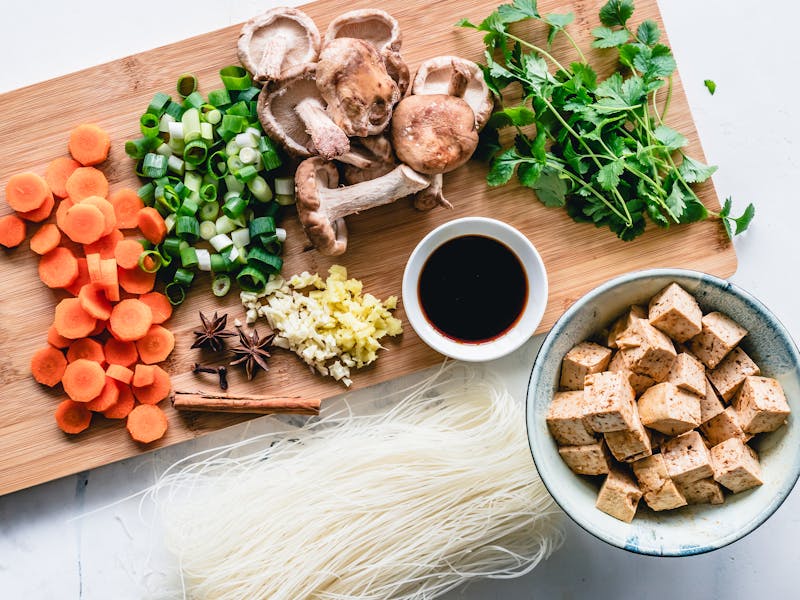
What Is Dashi? The Foundation of Japanese Flavor
Dashi is a Japanese cooking stock made by extracting flavor from umami-rich ingredients in water. In its most classic form, dashi combines just two ingredients: kombu (dried kelp) and katsuobushi (dried, fermented, and smoked skipjack tuna flakes). The result is a clear, pale gold liquid with an intensely savory taste that forms the flavor base of miso soup, noodle broths, simmered dishes (nimono), and virtually every category of traditional Japanese cooking.
What makes dashi remarkable — and what distinguishes it from Western stocks — is its speed and purity. A French fond takes 8-12 hours of simmering bones. Classic dashi takes under 15 minutes. There is no fat, no cloudiness, no heavy mouthfeel. Instead, dashi delivers a clean, concentrated blast of umami that enhances other ingredients without masking them. Japanese chefs describe dashi’s role as “supporting from behind” — amplifying the natural flavors of seasonal ingredients rather than dominating a dish.
The science behind this efficiency is well understood. Kombu is one of nature’s richest sources of glutamic acid (the amino acid responsible for umami taste), while katsuobushi is rich in inosinic acid (another umami compound). When these two ingredients are combined, they create a synergistic umami effect — the perceived umami intensity is up to eight times greater than either ingredient alone. This synergy, first described by Japanese scientist Shintaro Kodama in 1913, is the biochemical foundation of dashi’s extraordinary flavor impact.
Types of Dashi: A Comprehensive Guide
While kombu-katsuobushi dashi is the archetype, Japanese cuisine employs several dashi varieties, each suited to specific dishes and flavor profiles.
Ichiban Dashi (First Extraction)
The premium dashi used for clear soups (suimono) and delicate dishes. Made by steeping kombu in water heated to just below boiling (around 60-70°C), removing the kombu, then briefly steeping katsuobushi flakes in the hot liquid. The entire process takes about 10 minutes. Ichiban dashi has the most refined, cleanest flavor and is used where the dashi itself is the star — particularly in the soup course of kaiseki cuisine.
Niban Dashi (Second Extraction)
Made by re-simmering the kombu and katsuobushi used for ichiban dashi, often with a small addition of fresh katsuobushi. The resulting stock is less delicate but more robust, suitable for simmered dishes, miso soup, and cooking liquids where other strong flavors are present. The practice of making niban dashi from ichiban dashi’s spent ingredients reflects the Japanese culinary principle of mottainai (avoiding waste).
Kombu Dashi (Kelp Only)
A vegetarian dashi made exclusively from kombu. Gentler and more subtle than combination dashi, it is preferred for dishes where fish flavor would be inappropriate — tofu dishes, certain vegetable preparations, and increasingly, as the base for vegan and vegetarian Japanese cooking. Kombu dashi requires longer steeping (30 minutes to overnight cold extraction) to develop sufficient depth.
Shiitake Dashi (Dried Mushroom)
Made by soaking dried shiitake mushrooms in cold water, typically overnight. The resulting dark, intensely flavored stock is rich in guanylic acid — a third umami compound that synergizes with both glutamic acid and inosinic acid. Shiitake dashi is used in shojin ryori (Buddhist temple cuisine), as a flavor booster in vegetarian dishes, and increasingly in plant-based food applications.
Iriko Dashi (Dried Sardine)
Common in western Japan, particularly for miso soup, iriko (or niboshi) dashi is made from small dried sardines. It has a stronger, more assertively fishy flavor than katsuobushi-based dashi. In Sanuki udon (the famous thick noodles from Kagawa Prefecture), iriko dashi is the traditional base — its bold flavor stands up to the hearty noodles.
Ago Dashi (Flying Fish)
A specialty of Kyushu, particularly Nagasaki, ago dashi is made from dried flying fish. It has a distinctively elegant, slightly sweet flavor that has gained popularity across Japan. Ago dashi is now one of the most popular varieties in the premium instant dashi packet category.
The Science of Umami: Why Dashi Works
The scientific story of dashi is inseparable from the discovery of umami itself. In 1908, chemist Kikunae Ikeda at Tokyo Imperial University isolated glutamic acid from kombu and identified it as the source of the savory taste he named “umami” (meaning “pleasant savory taste”). This was formally recognized as the fifth basic taste — alongside sweet, sour, salty, and bitter — though Western science did not fully accept this until umami taste receptors were identified in 2002.
| Dashi Ingredient | Primary Umami Compound | Concentration (mg/100g) | Umami Type |
|---|---|---|---|
| Kombu (Ma-kombu) | Glutamic acid | 2,240-3,380 | Amino acid |
| Katsuobushi | Inosinic acid | 470-700 | Nucleotide |
| Dried shiitake | Guanylic acid | 150 | Nucleotide |
| Dried sardine (iriko) | Inosinic acid | 350-800 | Nucleotide |
| Dried flying fish (ago) | Inosinic acid | 300-600 | Nucleotide |
Sources: Umami Information Center, Journal of Food Science, Umami Information Center
The key insight is the synergistic effect between amino acid umami (glutamic acid from kombu) and nucleotide umami (inosinic acid from katsuobushi or guanylic acid from shiitake). Research shows this combination amplifies perceived umami by 7-8 times compared to either compound alone. This is why dashi made from kombu alone or katsuobushi alone tastes notably less intense than the combination — and why Japanese chefs have empirically paired these ingredients for centuries before the science was understood.
Key Producers: Centuries of Craft
Japan’s dashi ingredient industry is anchored by companies with extraordinary histories, some dating back to the Edo period.
Ninben: Since 1699
Ninben, founded in Tokyo’s Nihonbashi district in 1699, is Japan’s most prestigious katsuobushi producer and one of the oldest continuously operating food companies in the world. For over three centuries, Ninben has refined the art of selecting, smoking, fermenting, and shaving bonito into katsuobushi. Today, the company offers everything from traditional hand-shaved katsuobushi blocks (used in high-end restaurants) to consumer dashi packs and umami seasoning products. Their “Nihonbashi Dashi Bar,” where customers can sample different dashi varieties like a wine tasting, has become a tourist attraction and a powerful brand-building tool.
Kayanoya: Premium Dashi Packs
Kayanoya (Kubara Honke), based in Fukuoka, has become the premium brand in the packaged dashi segment. Their signature “Dashi Pack” — a teabag-style sachet containing a blend of bonito, kombu, shiitake, and other ingredients — redefined the category when it launched. Priced at ¥1,500-¥2,000 for a box of 8-30 packets (significantly above mass-market alternatives), Kayanoya positioned dashi packs as a gift item and premium cooking ingredient rather than a cheap shortcut. The company’s elegant retail stores, where customers can taste dashi and purchase cooking ingredients, have expanded across Japan and into Singapore.
Yamaki: Scale and Innovation
Yamaki, headquartered in Ehime Prefecture, is one of Japan’s largest katsuobushi and dashi producers, serving both consumer and industrial markets. Yamaki’s strength is in B2B — supplying dashi concentrates, powders, and custom flavor solutions to food manufacturers, restaurant chains, and prepared food producers across Japan and internationally. For foreign food companies looking to incorporate authentic Japanese umami into their products, Yamaki is often a starting point for ingredient sourcing.
The Instant Dashi Pack Revolution
Perhaps the most commercially significant development in the dashi world over the past two decades has been the rise of premium dashi packs (dashi pakkku). These teabag-style sachets contain pre-blended, ground dashi ingredients that brew in hot water in 2-3 minutes, producing a dashi of surprisingly good quality.
The market for dashi packs in Japan has grown from a niche product to a category worth an estimated ¥50 billion ($350 million) annually. They have fundamentally changed how Japanese home cooks make dashi — few younger households now prepare dashi from scratch when a high-quality pack produces an excellent result in minutes. Premium brands like Kayanoya and Marusan-ai have elevated the category to gift-giving status, with beautifully packaged dashi pack assortments sold at department stores during gift seasons.
For international markets, dashi packs represent the most accessible entry point for Japanese dashi. They solve the sourcing challenge (no need to find quality kombu and katsuobushi separately), the knowledge barrier (no technique required), and the time barrier (2-3 minutes versus 15-30 minutes). Several Japanese dashi pack producers are now actively developing export channels, with labeling and instructions in English and other languages.
Dashi as a B2B Ingredient: The Industrial Opportunity
Beyond consumer products, dashi is emerging as a significant B2B ingredient for international food manufacturers seeking clean-label umami solutions.
The global food industry is under increasing pressure to reduce or eliminate synthetic flavor enhancers — particularly MSG, yeast extract, and hydrolyzed vegetable protein — from ingredient lists. Dashi concentrates and powders offer a natural alternative: they deliver powerful umami flavor while allowing a “clean label” ingredient declaration (e.g., “dried bonito extract, kelp extract” rather than “monosodium glutamate”).
| Dashi Product Format | Typical Applications | Price Range (per kg) | Key Suppliers |
|---|---|---|---|
| Liquid concentrate | Soups, sauces, ready meals | $15-$40 | Yamaki, Ninben, Shimaya |
| Spray-dried powder | Seasonings, snacks, instant noodles | $25-$80 | Yamaki, Marutomo, Kaneso |
| Freeze-dried granules | Premium consumer products | $40-$120 | Ninben, Kayanoya |
| Dashi packs (retail) | Home cooking, food service | $60-$150 | Kayanoya, Shimaya, Ninben |
| Custom blends | OEM/ODM manufacturing | Varies | Yamaki, Marutomo |
Sources: Industry interviews, JETRO food product reports, company catalogs
Major Japanese dashi producers now operate dedicated B2B divisions that work with international food companies to develop custom umami solutions. A European soup manufacturer might commission a specific dashi powder blend; an American snack company might use katsuobushi extract as a flavor component. These applications represent significant volume potential — far larger than consumer retail — and are a key growth area for Japanese dashi exporters.
Western Chef Adoption and the Fine Dining Connection
The adoption of dashi by Western chefs has been one of the most significant cross-cultural culinary developments of the past decade. Pioneered by chefs like René Redzepi (Noma), Heston Blumenthal (The Fat Duck), and David Chang (Momofuku), dashi has moved from an exotic curiosity to a core technique in contemporary fine dining.
Blumenthal’s publicized fascination with dashi in the early 2000s — and his experiments using katsuobushi in non-Japanese contexts — helped introduce the ingredient to a generation of European chefs. David Chang’s use of kombu and katsuobushi in his ramen broth, and later in non-Japanese applications, demonstrated dashi’s versatility to the American culinary community.
Today, dashi technique appears in Michelin-starred kitchens worldwide in contexts that go far beyond Japanese cuisine. Chefs use kombu to enhance vegetable broths, katsuobushi to finish butter sauces, and dashi as a base for vinaigrettes and marinades. The technique of “kombu curing” — wrapping fish or meat in kombu to season and draw out moisture — has become a standard fine-dining technique globally.
This chef-level adoption has a commercial ripple effect. As trained chefs move from fine dining into food product development, restaurant consulting, and media, they carry dashi knowledge into broader applications, creating demand for Japanese dashi ingredients across the food industry.
The Vegan and Plant-Based Dashi Opportunity
The global shift toward plant-based eating has created an unexpected growth opportunity for specific types of dashi. Kombu dashi and shiitake dashi — both entirely plant-based — are attracting attention from vegan food developers as natural umami sources that align with clean-label and whole-food philosophies.
In Japan, this is not new. Shojin ryori — the Buddhist temple cuisine tradition dating back over a thousand years — has always used exclusively plant-based dashi, typically combining kombu and dried shiitake. This ancient culinary tradition is now being repackaged for contemporary plant-based markets.
Several Japanese companies have launched dedicated vegan dashi products for international markets. These products emphasize the combination of kombu (glutamic acid) and shiitake (guanylic acid) for umami synergy, sometimes adding soybeans or dried vegetables for additional depth. The positioning is compelling: a centuries-old, minimally processed, plant-based flavor foundation that delivers intense umami without any animal products or synthetic ingredients.
For plant-based food manufacturers struggling with the “flavor gap” — the difficulty of making vegan products taste as satisfying as their animal-based counterparts — plant-based dashi extracts offer a promising solution. The umami depth from kombu and shiitake can help bridge that gap in everything from plant-based burgers to vegan ramen broths.
Export Outlook and Sourcing Guide
Japan’s dashi-related exports are growing steadily, supported by rising international awareness of umami, Japanese government export promotion, and expanding distribution channels. JETRO regularly features dashi producers at international food exhibitions including SIAL, Anuga, and the Fancy Food Show.
For international buyers considering entering the dashi category, the key considerations are: shelf life (dried dashi products have 1-2 year shelf life, making logistics straightforward), regulatory compliance (katsuobushi may face specific import requirements in some markets due to its dried fish classification), and consumer education (many international consumers still need guidance on what dashi is and how to use it).
The most promising entry strategies include: partnering with Japanese dashi producers who have existing export experience, starting with dashi packs (the most consumer-friendly format), developing recipe content and cooking demonstrations for local market education, and targeting the growing community of Japanese cooking enthusiasts who already understand dashi’s role.
For B2B buyers, direct engagement with companies like Yamaki, Ninben, and Marutomo — ideally through JETRO-facilitated introductions or attendance at Japanese food trade shows like FOODEX Japan — is the most effective sourcing path.
Interested in sourcing dashi products or connecting with Japanese producers? Contact Japonity — we connect global buyers with Japan’s finest food and beverage companies.
Interested in Japanese business opportunities?
Whether you're looking for technology partners, engineering talent, or market insights — we can help connect you with the right Japanese organizations.
Get in Touch →