Matcha has long outgrown the cafe latte menu. In 2026, Japanese matcha and specialty tea ingredients are one of the fastest-growing B2B categories in the global food industry. From functional beverages and protein bars to skincare formulations and industrial flavoring, buyers worldwide are sourcing matcha not as a novelty but as a core ingredient. Here is what ingredient buyers, R&D teams, and food manufacturers need to know.
The Matcha Boom — And What Comes After
The global matcha market has exploded over the past decade. What started as a premium cafe drink in Los Angeles and London has become a mainstream ingredient category worth an estimated $4.5 billion globally in 2026, with projections pointing toward $7 billion by 2030.
But the real story is not consumer lattes — it is the B2B ingredient shift happening behind the scenes:
- Food manufacturers are adding matcha to everything from chocolate and ice cream to energy bars and breakfast cereals
- Beverage companies are launching matcha-based RTD (ready-to-drink) products, sparkling teas, and functional shots
- Supplement brands are incorporating matcha into wellness products for its L-theanine, catechin, and antioxidant content
- Cosmetics and skincare companies are using matcha extract as a natural antioxidant and anti-inflammatory ingredient
This is no longer a trend. It is a structural shift in how the global food and wellness industry views Japanese tea ingredients.
Beyond Matcha: The Full Spectrum of Japanese Tea Ingredients
While matcha dominates headlines, smart buyers are looking at the broader Japanese tea ingredient portfolio:
Ceremonial and Culinary Matcha
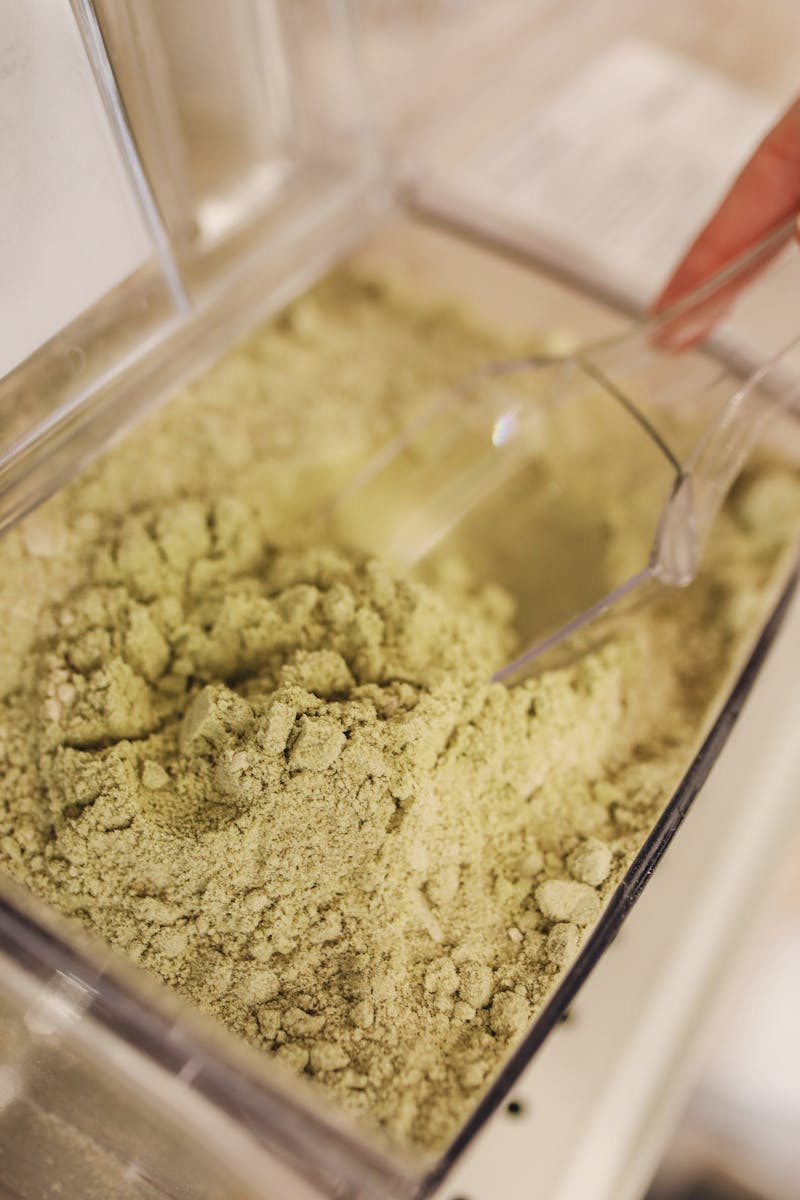
Ceremonial grade (first harvest, stone-ground, vibrant green) commands premium pricing and is used in high-end beverages and desserts. Culinary grade (later harvests, stronger flavor, lower cost) is the workhorse for food manufacturing — baking, ice cream, confectionery, and mass-market beverages.
Hojicha (Roasted Green Tea)
Hojicha is emerging as the “next matcha” in Western markets. Its roasted, caramel-like flavor profile appeals to consumers who find matcha too bitter. Hojicha powder is now appearing in lattes, baked goods, and chocolate products across North America and Europe. For ingredient buyers, hojicha offers differentiation in a market where matcha is becoming commoditized.
Sencha and Gyokuro Extracts
Sencha (standard green tea) and gyokuro (shade-grown premium tea) extracts are widely used in the beverage industry for bottled green tea products. Japanese sencha extracts are prized for their clean, umami-rich flavor compared to Chinese green tea extracts.
Tea Catechin Concentrates
Extracted from green tea leaves, catechin concentrates are a high-value functional ingredient. They are used in dietary supplements, functional foods, and even antimicrobial applications. Japanese suppliers like Taiyo International and ITO EN have developed standardized catechin products for the global B2B market.
Matcha Collagen and Functional Blends
Japanese manufacturers are creating pre-blended functional powders — matcha combined with collagen, protein, probiotics, or MCT oil — designed for the wellness and sports nutrition markets. These value-added products command higher margins than raw matcha powder.
Understanding Quality: What Buyers Must Know
The matcha ingredient market has a quality problem. As demand has surged, so has the supply of low-quality matcha from non-Japanese sources. Buyers need to understand what separates genuine Japanese matcha from substitutes.
Origin Matters
| Factor | Japanese Matcha | Non-Japanese Matcha |
|---|---|---|
| Growing regions | Uji (Kyoto), Nishio (Aichi), Kagoshima, Shizuoka | China, Korea, Vietnam, Kenya |
| Shading period | 20-30 days minimum (tencha process) | Often shorter or no shading |
| Processing | Traditional stone-grinding (slow, preserves nutrients) | Often ball-milled (faster, generates heat) |
| Color | Vibrant emerald green | Often yellowish or dull green |
| Flavor | Umami-rich, smooth, minimal bitterness | Bitter, grassy, one-dimensional |
| L-theanine content | Higher (due to proper shading) | Lower |
Sources: Japan Tea Central Association (公益社団法人 日本茶業中央会); World Green Tea Association; Shizuoka Prefecture Tea Research Center.
Certifications to Look For
- JAS Organic — Japan Agricultural Standards organic certification
- USDA Organic / EU Organic — required for organic claims in respective markets
- Radiation testing certificates — standard for Japanese tea exports post-2011
- Heavy metal testing — lead content is a key concern; Japanese matcha typically has lower levels than alternatives
- FSSC 22000 / ISO 22000 — food safety management certification for the supplier facility
Supply, Pricing, and the Capacity Question
One of the biggest challenges in the matcha B2B market is supply. Japan’s tea production has been declining for decades as tea farming communities age and farmland shrinks. Yet global demand is accelerating.
Current Pricing Landscape (2026)
- Ceremonial matcha: $80–200/kg (depending on grade and origin)
- Premium culinary matcha: $30–80/kg
- Standard culinary matcha: $15–30/kg
- Hojicha powder: $15–40/kg
- Chinese matcha-style powder: $5–15/kg
The price gap between Japanese and non-Japanese matcha is significant, but so is the quality gap. For premium products — where “made with Japanese matcha” is a selling point — the cost difference is justified by the brand value and consumer willingness to pay.
Supply Security Strategies
- Long-term contracts: Secure allocation directly with Japanese tea farms or cooperatives (JA groups)
- Multi-origin blending: Use Japanese matcha for flagship products and source alternatives for cost-sensitive product lines
- Vertical integration: Some overseas companies are investing directly in Japanese tea farms or forming joint ventures
- Off-season procurement: First harvest (ichiban-cha, May) commands the highest price; second and third harvests offer better value for culinary applications
Regulatory and Labeling Considerations
United States
Matcha is classified as a food ingredient by the FDA. No special approval is needed. However, claims about health benefits (antioxidants, metabolism) must comply with FTC and FDA labeling guidelines. “Matcha” has no legal definition in the US — any green tea powder can technically be called matcha.
European Union
Novel Food regulations do not apply to matcha (it has a history of consumption in the EU). However, MRL (Maximum Residue Level) requirements for pesticides are stricter than in Japan. Buyers must verify that Japanese suppliers meet EU MRL standards.
Labeling Best Practices
- Specify origin: “Japanese matcha” or “Uji matcha” provides consumer confidence and differentiation
- Avoid unsubstantiated health claims in markets with strict regulations (EU, Australia)
- Include allergen-free statements where applicable (matcha is naturally free of common allergens)
Competitive Landscape: Matcha vs. Other Superfood Ingredients
| Ingredient | Key Benefit | Price Range (per kg) | Matcha Advantage |
|---|---|---|---|
| Matcha | L-theanine + caffeine synergy, antioxidants | $15–200 | — |
| Spirulina | Protein, B-vitamins, iron | $20–50 | Better taste, broader applications |
| Moringa | Vitamins, minerals, amino acids | $10–30 | Stronger brand recognition, premium positioning |
| Acai | Anthocyanins, antioxidants | $30–80 (freeze-dried) | More versatile in hot applications |
| Turmeric | Curcumin, anti-inflammatory | $5–15 | No staining issues, smoother flavor |
Sources: Pricing based on 2025–2026 B2B wholesale market data; Grand View Research, “Matcha Tea Market Size Report“; Nutritional data from respective USDA FoodData Central entries.
Matcha’s unique advantage is its dual positioning: it works as both a functional health ingredient and a premium flavor/color ingredient. Few superfoods can claim both.
Sourcing Scenarios for Different Buyer Types
Cafe Chains and QSR
Need: Consistent culinary-grade matcha for lattes and blended drinks. Volume: 500kg–5 tons/year. Strategy: Work with Japanese trading companies (Ito En, Marukyu Koyamaen) that offer standardized blends with stable pricing.
CPG Food Manufacturers
Need: Food-grade matcha powder for chocolate, snacks, ice cream. Volume: 1–50 tons/year. Strategy: Blend Japanese and non-Japanese sources; use Japanese matcha for premium SKUs and source alternatives for value lines.
Supplement and Wellness Brands
Need: Organic, tested, high-catechin matcha or tea extract. Volume: 100kg–2 tons/year. Strategy: Source directly from certified organic farms in Kagoshima or Shizuoka. Require full COA (Certificate of Analysis) with catechin and L-theanine content.
Cosmetics and Personal Care
Need: Matcha extract or catechin concentrate for formulations. Volume: Small (10–500kg/year). Strategy: Work with Japanese extract specialists like Taiyo International or Maruzen Pharmaceuticals.
The Bottom Line
Japanese matcha and tea ingredients have crossed the threshold from trendy to essential. For ingredient buyers, the question is no longer whether to include matcha in your product line — it is how to source the right grade, at the right price, from suppliers you can trust.
Japan remains the gold standard for matcha quality, and the country’s tea industry — despite its challenges — continues to innovate with new products, functional blends, and export-ready formats. The buyers who build relationships with Japanese suppliers now will have a significant advantage as this market continues to grow.
Whether you are formulating a new RTD beverage, developing a wellness supplement, or launching a matcha-infused food product, the starting point is the same: find the right Japanese partner. That is exactly what Japonity is here to help with.
Interested in Japanese business opportunities?
Whether you're looking for technology partners, engineering talent, or market insights — we can help connect you with the right Japanese organizations.
Get in Touch →