When people think Japanese soy sauce, they think Kikkoman — and with good reason. The company ships to over 100 countries from 8 overseas factories, generating ¥701 billion in revenue. But Kikkoman is just the tip of the iceberg. A new generation of craft soy sauce makers, alongside heritage producers with centuries of history, is reshaping the global soy sauce landscape.
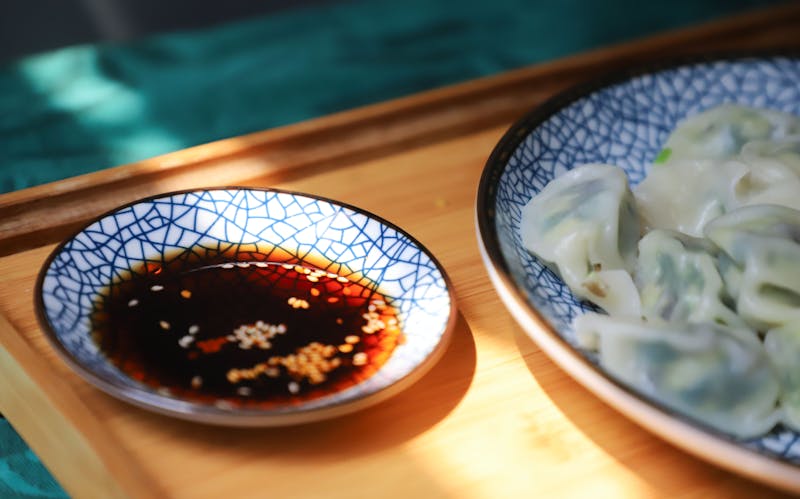
Kikkoman: The ¥701 Billion Global Empire
Founded in 1917 (with roots tracing back to the 1600s), Kikkoman is the undisputed king of soy sauce globally. Key numbers: Revenue ¥701 billion (TTM Dec 2025). 8 production plants outside Japan (USA, Netherlands, Singapore, Taiwan, China, Canada). The Netherlands plant alone produces over 400 million litres per year. Publicly traded on TSE (2801).
Kikkoman’s genius was not just making soy sauce — it was creating the global category. Their “Kikkoman Soy Sauce” is now a kitchen staple in homes across North America, Europe, and Asia-Pacific, positioned as a universal seasoning rather than an “Asian” condiment.
Yamasa: 380 Years of Heritage, Made in Oregon
Founded in 1645 in Choshi, Chiba Prefecture — Yamasa is one of the oldest continuously operating food companies in the world. Revenue: ¥60 billion. 888 employees. They operate a factory in Salem, Oregon (USA), serving the North American market.
What makes Yamasa unique: they also have a biochemicals division, producing diagnostic enzymes and nucleic acid-related products. This scientific expertise feeds back into their food production, enabling precision fermentation techniques that traditional producers cannot match.
Their organic tamari (gluten-free soy sauce) has found a strong niche in health-conscious Western markets where gluten-free is a major purchasing criterion.
Fundokin: Kyushu’s 160-Year-Old Powerhouse
Founded in 1861 in Usuki, Oita Prefecture. The largest soy sauce and miso producer in Kyushu — Japan’s 5th-largest miso producer and 9th-largest soy sauce producer nationally. Fundokin represents the category of strong regional producers that are now looking to expand internationally.
The Craft Soy Sauce Revolution
Beyond the major producers, a craft soy sauce movement is gaining momentum. Artisanal producers using traditional kioke (wooden barrel) fermentation — a process that takes 1-3 years versus the 3-6 months of industrial production — are finding eager customers among Western chefs and specialty food retailers.
These craft soy sauces are to Kikkoman what single-origin coffee is to Folgers: a premium, flavor-forward product targeting discerning consumers willing to pay 5-10x the price of commodity soy sauce.
- Yamaroku Shoyu (ヤマロク醤油) — Shodoshima island producer, 150-year-old kioke barrels, featured in international food media
- Takesan (竹さん) — Shodoshima, traditional wooden barrel soy sauce and dashi products
- Kishibori Shoyu — Premium raw (nama) soy sauce, unpasteurized for maximum flavor
Soy Sauce Market: The Numbers
| Company | Founded | Revenue | Overseas Factories | Key Products |
|---|---|---|---|---|
| Kikkoman | 1917 | ¥701B | 8 (US, NL, SG, TW, CN, CA) | Soy sauce, teriyaki, organic |
| Yamasa | 1645 | ¥60B | 1 (Salem, Oregon) | Soy sauce, organic tamari, biochemicals |
| Fundokin | 1861 | — | — | Soy sauce, miso, dressings |
Sources: Kikkoman Corporation, “Annual Report / Investor Relations” (FY2025); Yamasa Corporation, “Corporate Profile“; Fundokin Soy Sauce Co., corporate disclosure.
The Opportunity
The global soy sauce market is mature but segmented. Kikkoman dominates the mass market, but premium and organic segments are growing rapidly. For international distributors, the opportunity lies in: (1) craft/artisanal soy sauces for specialty retail and food service, (2) organic/gluten-free tamari for health-conscious consumers, and (3) flavored soy sauce products (truffle soy sauce, aged soy sauce) for the gourmet segment.
Interested in Japanese business opportunities?
Whether you're looking for technology partners, engineering talent, or market insights — we can help connect you with the right Japanese organizations.
Get in Touch →