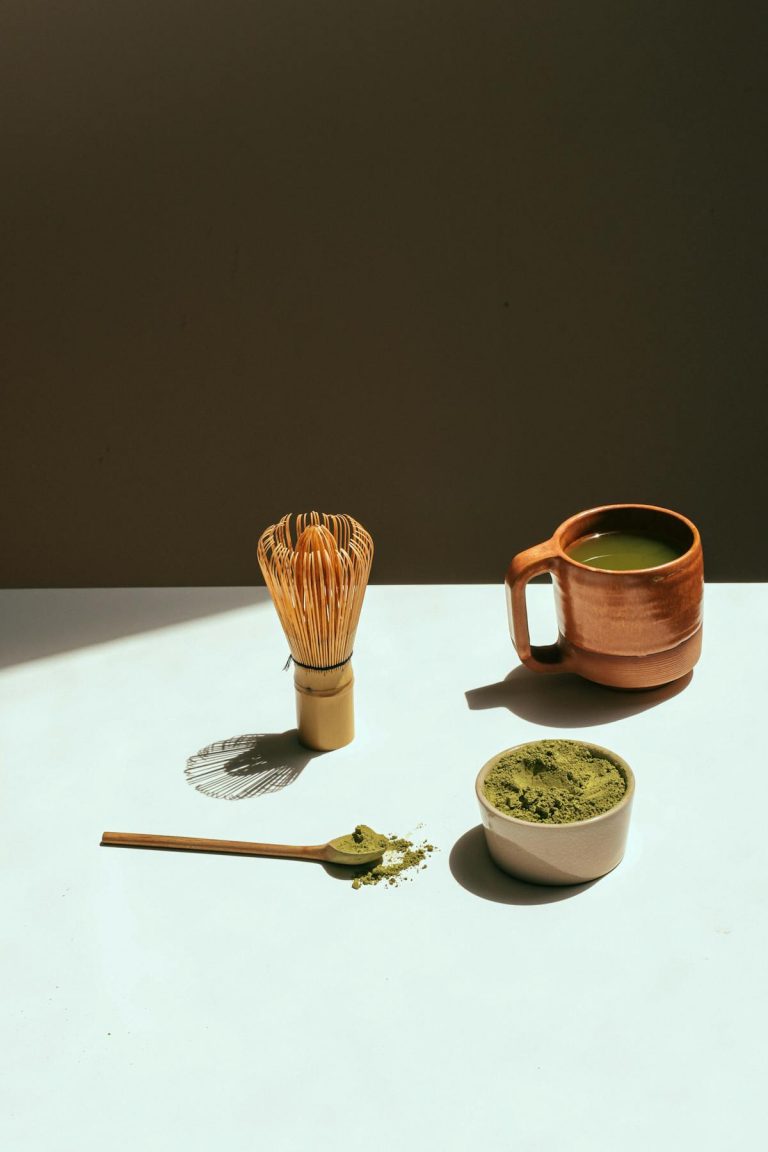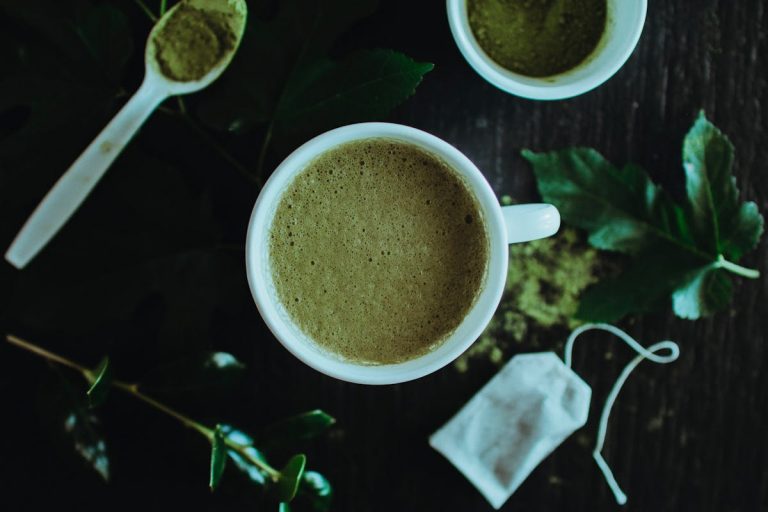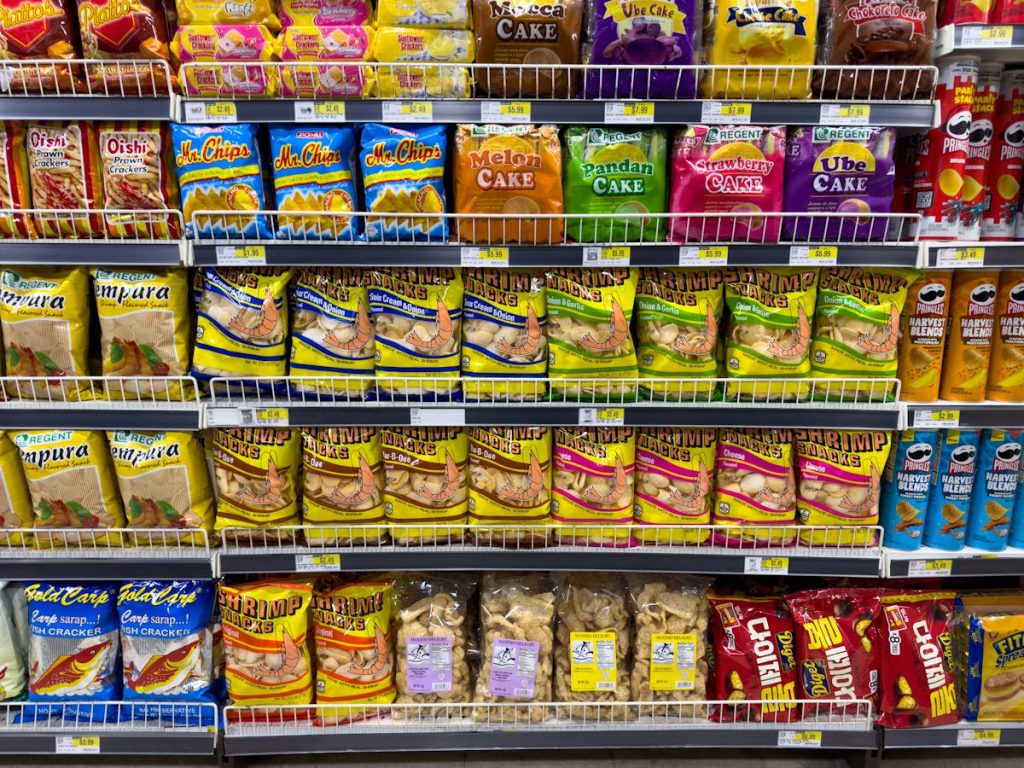
Walk into any Asian grocery store in New York, London, or Sydney and you will find an entire aisle dedicated to Japanese snacks. Pocky, Hi-Chew, matcha KitKats, rice crackers, mochi ice cream — Japanese confectionery has gone from exotic curiosity to mainstream global product category in less than a decade.
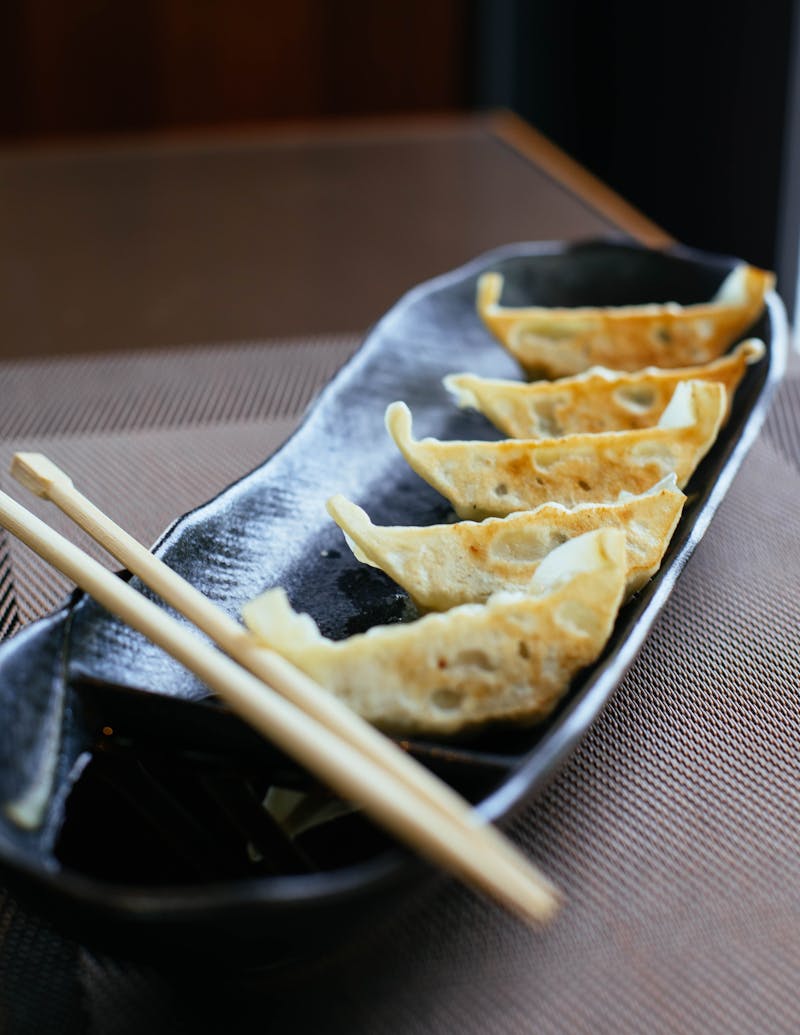
The numbers are striking. Japan\'s confectionery exports have grown over 400% since 2012. Social media — particularly TikTok and YouTube — has accelerated the trend, with Japanese snack unboxing videos generating billions of views. But beneath the viral content lies a serious business opportunity.
What Makes Japanese Snacks Different
Japanese snack culture is fundamentally different from Western snack culture, and that difference is exactly what drives global appeal:
Flavor innovation. Japanese manufacturers release hundreds of limited-edition flavors every year. Matcha, sakura, yuzu, ume (plum), hojicha (roasted green tea), sweet potato — these flavors are novel to Western palates and create urgency to buy. The limited-edition model, borrowed from fashion, keeps consumers engaged and coming back.
Packaging as art. Japanese snack packaging is designed with extraordinary care. Individual wrapping, seasonal designs, and gift-worthy presentation make Japanese snacks feel premium — even at everyday price points. This is not an accident. In Japan, snacks are frequently given as gifts (omiyage culture), so packaging must be beautiful.
Texture obsession. While Western snacks tend to focus on flavor and crunch, Japanese snacks explore a much wider range of textures — chewy, airy, crispy, mochi-like, melt-in-your-mouth. Hi-Chew\'s success in the US (now one of the top non-chocolate candy brands) is built almost entirely on texture differentiation.
Quality and safety standards. Japanese food manufacturing operates at an extremely high quality standard. Allergen labeling, ingredient traceability, and production hygiene meet or exceed international requirements. For importers, this reduces compliance risk significantly compared to sourcing from other Asian markets.
Categories Driving Export Growth
Chocolate & Confectionery
Nestlé Japan\'s KitKat operation — which has produced over 400 regional and seasonal flavors — is the most famous example. But brands like Meiji, Glico (Pocky), Royce (fresh chocolate from Hokkaido), and Yoku Moku are building serious international followings. Royce, in particular, has expanded into Southeast Asia and the Middle East with its fresh chocolate concept.
Rice Crackers & Savory Snacks
Senbei (rice crackers) and arare (small rice crackers) are a massive domestic market in Japan. Kameda Seika\'s products, already distributed in the US under the “Kameda Crisps” brand, represent just the tip of the iceberg. The savory snack category is underpenetrated in Western markets and has significant room for growth.
Mochi & Wagashi
Mochi ice cream — originally developed by the American brand Mikawaya using Japanese techniques — proved that the West would embrace mochi. Now, authentic Japanese mochi brands are entering export markets directly. Meanwhile, high-end wagashi (traditional Japanese sweets) are finding audiences in premium food retail and hospitality.
Instant & Cup Noodles
Japan invented instant noodles (Nissin\'s Momofuku Ando, 1958) and the category remains a Japanese strength. Premium instant noodles — particularly tonkotsu ramen kits and udon sets — are growing rapidly in overseas markets as consumers seek restaurant-quality convenience food at home.
How to Enter the Japanese Snack Import Business
Start with proven products. Don\'t try to import obscure products first. Start with brands and products that already have social media traction — Pocky, Hi-Chew, Japanese KitKats, Calbee chips. These have built-in consumer awareness and reduce your marketing burden.
Understand seasonal and limited-edition cycles. Japanese snack manufacturers plan their limited-edition releases seasons in advance. Spring means sakura flavors. Autumn means sweet potato and chestnut. If you want to carry seasonal products, you need to plan 3-6 months ahead and understand minimum order quantities.
Navigate labeling requirements carefully. Every market has different requirements for nutritional information, allergen declarations, and language. The cost of re-labeling or stickering imported Japanese products can eat into margins if not planned properly. Some manufacturers offer export-ready packaging with English labels; others do not.
Consider subscription boxes as a market entry strategy. Several successful businesses — Bokksu, TokyoTreat, Sakuraco — have built multi-million dollar companies by curating Japanese snack subscription boxes. If you are a small importer, partnering with or learning from the subscription box model can help you test products and build a customer base before committing to retail distribution.
The Bigger Picture
Japanese snacks are not a fad. The combination of flavor innovation, premium positioning, cultural appeal, and manufacturing quality gives Japanese confectionery a durable competitive advantage in global markets. As Japanese food culture continues to spread — driven by anime, travel, and social media — the addressable market will only grow.
For distributors, retailers, and food service companies looking to source Japanese snacks and confectionery, contact Japonity. We connect you directly with Japanese manufacturers and trading companies.
Interested in Japanese business opportunities?
Whether you're looking for technology partners, engineering talent, or market insights — we can help connect you with the right Japanese organizations.
Get in Touch →