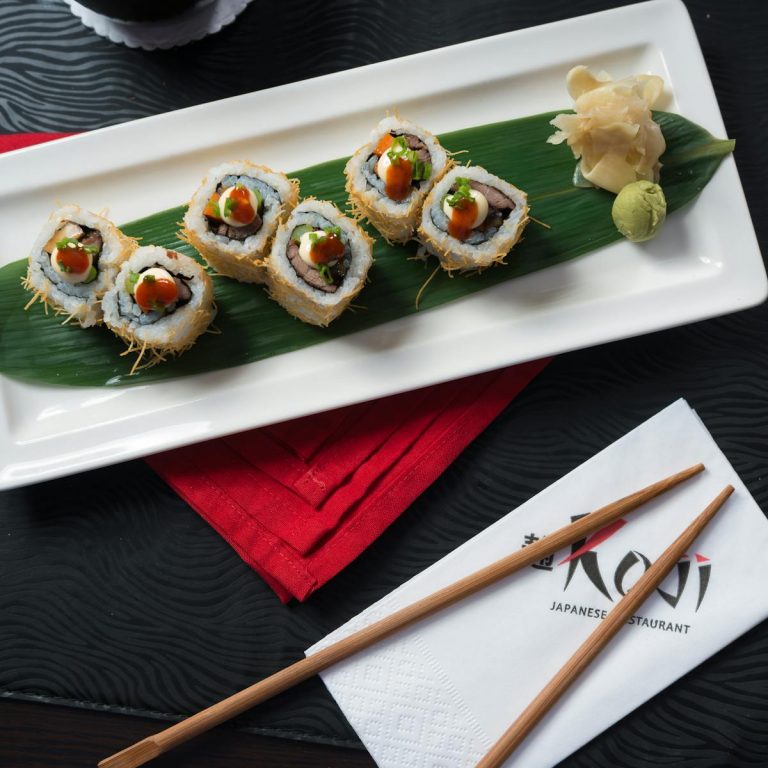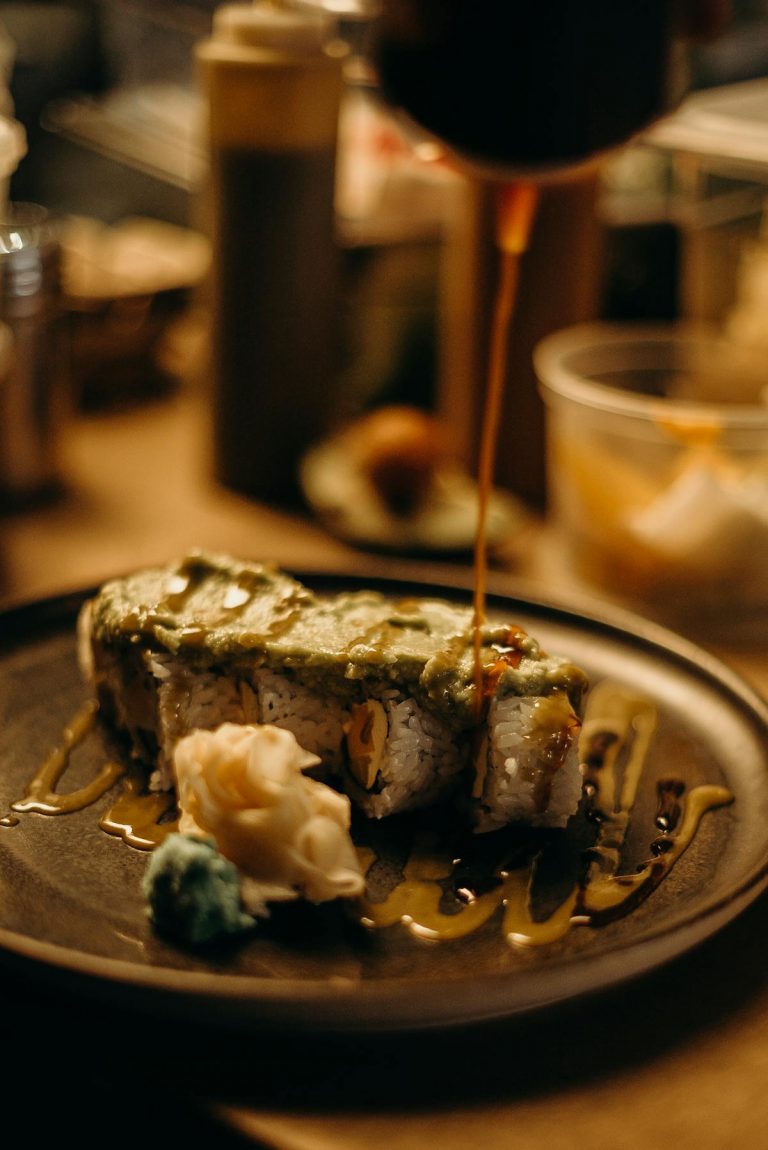
For decades, Japanese rice was the most protected agricultural product in one of the world’s most protectionist agricultural economies. Import tariffs exceeding 700%, strict acreage controls, and powerful political lobbies kept Japanese rice firmly domestic. Now, in a dramatic reversal driven by declining domestic consumption and government policy, Japan is aggressively pushing its premium rice onto the global stage — and the numbers show it is working.
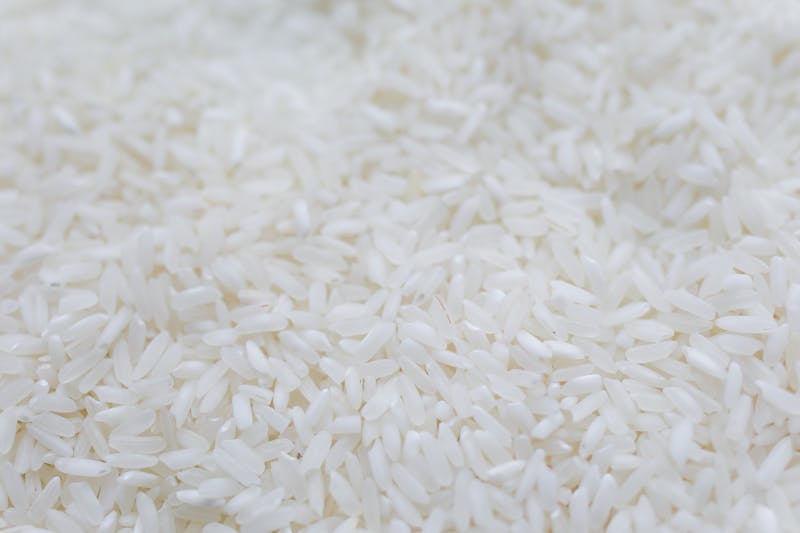
Rice and the Japanese Soul: More Than a Crop
Rice occupies a position in Japanese culture, politics, and identity that has no equivalent in most Western countries. The Japanese word for cooked rice — gohan (ご飯) — is also the word for “meal.” Shinto rituals center on rice offerings. The Emperor traditionally plants rice each spring in a ceremonial paddy at the Imperial Palace. For centuries, rice was literally currency — samurai salaries were measured in koku (approximately 180 liters of rice, enough to feed one person for a year).
This cultural centrality translated into extraordinary political protection. Japan’s rice tariff — technically 341 yen per kilogram, equivalent to an ad valorem rate of roughly 778% — is among the highest agricultural tariffs in the world. The rice market was essentially closed to imports until 1995, when Japan agreed to a minimum access quota under WTO rules. Even today, imported rice is tightly managed through a state trading system that limits its market impact.
The political power of rice reflects the outsized influence of rural constituencies in Japan’s electoral system and the organizational strength of JA Group (Japan Agricultural Cooperatives), which controls rice collection, grading, distribution, and much of the policy advocacy around rice farming. Any politician who threatens rice protection risks electoral consequences — a reality that has constrained trade liberalization in every negotiation Japan has entered.
Brand Varieties: Japan’s Rice Terroir
Unlike most rice-producing countries, where commodity trading dominates, Japan has developed a sophisticated system of branded rice varieties with distinct regional identities, flavor profiles, and price points — analogous to wine appellations.
Koshihikari: The King
Koshihikari is Japan’s most prestigious and widely planted rice variety, accounting for approximately 33% of national production. Developed in Fukui Prefecture in 1956, Koshihikari is prized for its glossy appearance, balanced sweetness, and satisfying sticky-yet-distinct texture. Niigata Prefecture’s Uonuma district produces the most sought-after Koshihikari, with top grades retailing at ¥5,000-¥8,000 ($35-$55) per 5 kilograms domestically.
Koshihikari’s dominance is so complete that it has become both an asset and a constraint. Its brand recognition makes it the default premium choice for consumers and the safest variety for farmers. But its very ubiquity has motivated prefectures to develop new proprietary varieties to differentiate themselves in an increasingly competitive market.
Akitakomachi
Developed in Akita Prefecture and released in 1984, Akitakomachi is Japan’s second most planted variety. It was specifically bred as a Koshihikari cross with improved cold-weather resilience, making it ideal for northern Japan’s harsh growing conditions. Akitakomachi has a slightly lighter, less sticky character than Koshihikari, making it versatile for both plain eating and sushi preparation.
Tsuyahime: Yamagata’s Challenger
Tsuyahime, launched by Yamagata Prefecture in 2010, represents the new generation of premium rice varieties. Developed through a decade-long breeding program, Tsuyahime was explicitly positioned as a Koshihikari challenger — sweeter, shinier, and with a more pronounced grain texture. Yamagata Prefecture invested heavily in branding and quality control (only certified farmers meeting strict cultivation standards can label their rice as Tsuyahime), creating a premium brand that has gained rapid national recognition.
Nanatsuboshi: Hokkaido’s Rise
Historically, Hokkaido was considered too cold for premium rice production. That changed with the development of cold-tolerant varieties like Nanatsuboshi and Yumepirika. Nanatsuboshi (Seven Stars) offers a clean, mild flavor that appeals to consumers who find Koshihikari too rich or sticky. Hokkaido rice has surged in popularity, helped by the perception that Hokkaido’s cold climate and clean water produce exceptionally pure-tasting rice.
Other Notable Varieties
The competitive landscape continues to evolve. Saga Prefecture’s “Sagabiyori,” Kumamoto’s “Mori no Kuma-san,” and Fukushima’s “Tennotsubu” are among dozens of regional varieties competing for shelf space in Japanese supermarkets. Each carries its prefecture’s marketing support and claims distinct eating qualities — a diversity that is gradually becoming available to international buyers as well.
Domestic Consumption: The Declining Market
The driving force behind Japan’s rice export push is an inconvenient domestic reality: Japanese people are eating dramatically less rice than they used to.
| Year | Per Capita Rice Consumption (kg/year) | Total Production (million tonnes) | Key Context |
|---|---|---|---|
| 1962 | 118.3 | 12.9 | Peak consumption |
| 1980 | 78.9 | 9.8 | Westernization of diet accelerates |
| 2000 | 64.6 | 9.5 | Bread surpasses rice in spending |
| 2010 | 59.5 | 8.5 | Population decline begins |
| 2020 | 50.7 | 7.8 | Pandemic briefly boosts home cooking |
| 2025 (est.) | 48.0 | 7.2 | Export push intensifies |
Sources: Ministry of Agriculture, Forestry and Fisheries (MAFF), Statistics Bureau of Japan
Per capita rice consumption has fallen by nearly 60% since its 1962 peak. The causes are well documented: dietary Westernization (more bread, pasta, and meat), smaller household sizes, declining meal frequency (fewer Japanese eat a traditional rice-centered breakfast), and an aging population that eats less overall. Japan’s population is also shrinking — from 128 million in 2008 to a projected 119 million by 2030 — further reducing total demand.
This decline creates a structural surplus problem. Even with acreage reduction programs that pay farmers to divert rice paddies to other crops, Japan produces more rice than its domestic market can absorb. The economic and political imperative to find new markets for this surplus — particularly high-value export markets that can sustain premium pricing — has transformed government agricultural policy over the past decade.
The Export Push: From Protection to Promotion
Japan’s rice export strategy represents one of the most dramatic agricultural policy reversals in modern history. A product that was virtually forbidden from crossing borders is now the subject of aggressive export promotion.
The numbers reflect this shift. Japanese rice exports (including processed rice products) have grown from approximately 11,000 tonnes in 2017 to over 37,000 tonnes in 2024 — more than tripling in seven years. In value terms, growth has been even more impressive, as Japanese rice is exported at extreme premiums over commodity rice prices.
| Market | Export Volume 2024 (est. tonnes) | Retail Price Range (per kg) | Key Channels |
|---|---|---|---|
| Hong Kong | 8,500 | $12-$25 | Supermarkets, Japanese restaurants |
| Singapore | 4,200 | $15-$30 | Premium retail, food service |
| United States | 5,800 | $10-$20 | Japanese groceries, e-commerce |
| China (mainland) | 3,500 | $15-$35 | Premium retail, cross-border e-commerce |
| Taiwan | 3,000 | $10-$22 | Supermarkets, Japanese brands |
| EU | 2,800 | $15-$30 | Japanese restaurants, specialty retail |
| Australia | 1,800 | $12-$25 | Asian groceries, food service |
| Others | 7,400 | Varies | Various channels |
Sources: MAFF export statistics, JETRO trade data, customs records
The government has set ambitious targets. MAFF’s agricultural export strategy aims for ¥5 trillion ($35 billion) in total agricultural and food exports by 2030, with rice as a priority category. Support measures include export subsidies, overseas promotion campaigns, trade negotiation (seeking preferential access in key markets), and investment in export-oriented rice processing facilities.
Premium Positioning: The $15-$30 Per Kilogram Strategy
Japanese rice cannot compete on price with commodity rice from Thailand, Vietnam, India, or the United States. Thai jasmine rice wholesales at $0.80-$1.50 per kilogram; US Calrose rice at $1.00-$2.00; Japanese Koshihikari exports at $8-$15 wholesale (and $15-$30 retail in destination markets). The price gap is enormous — Japanese rice costs 5-15 times more than commodity alternatives.
Japan’s export strategy therefore depends entirely on premium positioning. The target customer is not someone seeking affordable calories but someone willing to pay significantly more for perceptibly superior taste, texture, and provenance. This customer exists in meaningful numbers in wealthy Asian cities (Hong Kong, Singapore, Shanghai, Taipei), among Japanese expatriate communities worldwide, in high-end Japanese restaurants, and among food enthusiasts in Western markets.
The positioning strategy emphasizes several pillars. First, sensory quality: Japanese rice genuinely tastes different from commodity alternatives, with a sweetness, stickiness, and glossy appearance that rice connoisseurs can immediately identify. Second, safety and traceability: Japan’s strict agricultural standards and traceability systems provide assurance that appeals to quality-conscious consumers. Third, brand story: each variety carries a regional identity, breeding history, and cultivation narrative that creates the kind of terroir-based marketing familiar from wine and specialty coffee.
Sake Rice: The Yamadanishiki Export Story
Alongside table rice, Japan exports significant quantities of rice specifically bred for sake brewing. The most prestigious sake rice variety is Yamadanishiki, grown primarily in Hyogo Prefecture, which produces the largest, most starch-rich grains ideal for premium sake production.
As the global sake market has expanded — driven by sushi restaurant growth, Japanese cuisine’s Michelin-star prominence, and growing cocktail culture interest in sake — demand for authentic Japanese sake rice has increased. Craft sake breweries outside Japan (particularly in the US, where over 20 sake breweries now operate, and in Australia, France, and Norway) seek Japanese sake rice varieties for their production, creating a niche but growing export category.
The sake rice export opportunity extends beyond raw grain. Polished sake rice (with specific polishing ratios corresponding to different sake grades), koji rice (rice inoculated with koji mold for fermentation), and rice-based sake brewing starters represent value-added export products that command higher margins than raw grain.
Packaged Rice Products: Beyond the Grain
Raw rice grain is not the only, or even necessarily the most promising, rice export format. Packaged rice products — which add processing value and solve the shelf life challenge — represent a growing category.
Retort Rice (Packed Cooked Rice)
Individually packaged, pre-cooked rice portions that can be reheated in a microwave in 2 minutes have become a significant export product. Brands like “Sato no Gohan” (Sato Foods) and “Gonbei no Omusubi” are available in Asian grocery stores worldwide. These products maintain good quality for 6-12 months without refrigeration, solving the shelf life and preparation barriers that limit raw rice exports.
Onigiri and Rice Balls
Frozen onigiri for food service and retail represent a growing category, particularly in markets where Japanese convenience food culture has generated consumer awareness. Both major konbini chains and independent manufacturers produce frozen onigiri for export, targeting Japanese restaurants, Asian grocery stores, and increasingly mainstream food service channels.
Rice Flour and Rice-Based Products
Japanese rice flour (komeko) is gaining attention from the global gluten-free market. Japan’s unique rice flour milling technology produces ultra-fine rice flour suitable for bread, pastry, and noodle production — applications where conventional rice flour performs poorly. For gluten-free food manufacturers seeking premium ingredients, Japanese rice flour offers a functional advantage alongside the “Made in Japan” premium.
Challenges: Tariffs, Shelf Life, and Cost
Despite momentum, Japanese rice exports face significant obstacles.
Tariffs and Trade Barriers
While Japan has secured tariff reductions for rice in some trade agreements (including CPTPP and the Japan-EU EPA), many key markets still impose significant import duties on rice. China’s tariff-rate quota system, ASEAN varying duty schedules, and the US tariff structure all affect the landed cost of Japanese rice in ways that amplify the already enormous price premium.
Shelf Life and Freshness
Japanese rice is milled rice — the bran layer is removed, exposing the starchy endosperm. Milled rice oxidizes and loses flavor over time, particularly in warm or humid conditions. The optimal eating window for freshly milled Japanese rice is generally considered to be 1-2 months after milling. By the time rice is shipped, cleared customs, distributed, and purchased by the end consumer, several months may have elapsed. Some exporters are addressing this by shipping unmilled (genmai) rice and milling in the destination market, or by investing in nitrogen-flushed packaging that extends freshness.
Cost Structure
Japanese rice production costs are among the highest in the world, driven by small farm sizes (average rice farm is approximately 1.5 hectares), high land costs, expensive equipment, and high labor costs augmented by an aging farm workforce. Even with productivity improvements, it is difficult to see Japanese rice becoming price-competitive with commodity alternatives. The export strategy’s reliance on premium positioning is not a choice — it is a necessity.
Competition from Japanese Varieties Grown Abroad
A growing challenge is the cultivation of Japanese rice varieties — including Koshihikari — in other countries. California, Australia, and several Asian countries grow Koshihikari commercially, often at significantly lower cost. While Japanese producers argue that terroir matters (the same variety grown in Niigata versus California produces different results), the price gap creates competitive pressure, particularly at the lower end of the premium market.
The Role of JA Group
JA Group (Japan Agricultural Cooperatives) remains the dominant institution in Japanese rice, controlling the majority of domestic rice collection, grading, storage, and distribution. JA’s role in exports is evolving — historically focused entirely on the domestic market, JA is increasingly involved in export promotion, quality certification for export markets, and coordination with JETRO on overseas marketing.
For international buyers, JA can be both a facilitator and a bottleneck. On the positive side, JA provides a single point of contact for sourcing rice from multiple regions and varieties, with standardized grading and quality assurance. On the challenging side, JA’s cooperative structure can mean slower decision-making, less flexibility on pricing, and a conservative approach to export partnerships. Direct relationships with individual rice farmers or independent rice dealers (who operate outside the JA system) can sometimes offer more flexibility, though at smaller scale.
Opportunities for International Buyers
The Japanese rice export market is at an early but rapidly developing stage. For international importers, distributors, and food companies, several opportunities stand out.
Retail import of branded Japanese rice for premium supermarket and specialty food channels remains the most established model, with strongest demand in Asian markets. Food service supply to Japanese and high-end Asian restaurants is a reliable channel with consistent repeat purchasing. Processed rice products — retort rice, frozen onigiri, rice flour — offer simpler logistics and broader market appeal. And B2B supply of Japanese rice varieties and rice-based ingredients to food manufacturers represents growing volume potential as Japanese rice becomes better known internationally.
The key success factor is understanding that Japanese rice is not a commodity business. Every element — variety selection, regional sourcing, freshness management, brand storytelling, and customer education — must reinforce the premium positioning that justifies the price. For buyers who can build this value chain, Japanese rice offers a compelling product with growing demand and strong margins.
Interested in sourcing Japanese rice or connecting with Japanese producers? Contact Japonity — we connect global buyers with Japan’s finest food and beverage companies.
Interested in Japanese business opportunities?
Whether you're looking for technology partners, engineering talent, or market insights — we can help connect you with the right Japanese organizations.
Get in Touch →