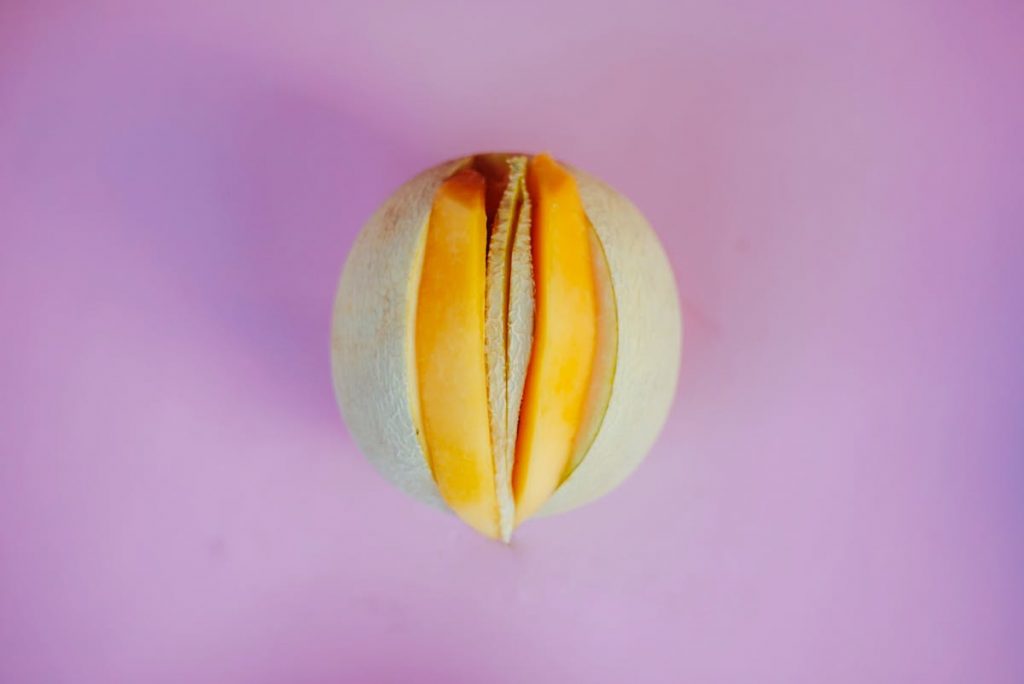
In a country where a single cantaloupe can sell for $100 at a department store — and where auction-record melons have fetched over $40,000 — fruit is far more than food. Japan’s luxury fruit economy is a fascinating intersection of agriculture, aesthetics, and gift-giving tradition that represents one of the most compelling premium food categories for international buyers and importers.
The Culture Behind the Price Tag: Understanding Zoutou Bunka
To understand why Japanese fruit commands prices that seem incomprehensible to outsiders, you must first understand zoutou bunka (贈答文化) — Japan’s deeply rooted gift-giving culture. In Japan, fruit is not primarily purchased for personal consumption. It is bought as a formal gift for business associates, hospital visits, seasonal greetings, and celebrations. The two peak gift-giving seasons — ochugen (mid-year, July) and oseibo (year-end, December) — drive enormous demand for perfectly presented, premium-grade fruit.
This cultural framework transforms fruit from a commodity into a luxury good. A box of twelve perfect strawberries is not competing with other fruit; it is competing with fine wine, designer scarves, and premium whisky as a gift option. The packaging, the uniformity of shape and color, and the reputation of the grower all matter as much as taste. Department stores like Isetan, Takashimaya, and Mitsukoshi dedicate entire floor sections to gift fruit during peak seasons, with individual items displayed under spotlights like jewelry.
This cultural context explains the economics. When a consumer is spending $50-$200 on a gift that signals respect and gratitude, the absolute price matters less than the perceived quality and prestige. The fruit must be flawless — a single blemish disqualifies it from the gift tier, though it may still be sold at lower grades for personal consumption.
Record-Breaking Auctions: The Pinnacle of Japanese Fruit
Each year, Japan’s first-of-season fruit auctions generate international headlines. These auctions are part marketing spectacle, part cultural tradition, and the prices paid are a form of advertising for the winning buyers — typically department stores or fruit retailers who gain enormous publicity from the purchase.
| Fruit | Record Auction Price | Year | Location |
|---|---|---|---|
| Yubari Melon (pair) | ¥5,000,000 ($45,000) | 2019 | Sapporo, Hokkaido |
| Ruby Roman Grapes (bunch) | ¥1,400,000 ($13,000) | 2020 | Kanazawa, Ishikawa |
| Taiyo no Tamago Mango (pair) | ¥500,000 ($4,500) | 2023 | Miyazaki |
| Bijin Hime Strawberry (single) | ¥500,000 ($4,500) | 2023 | Gifu |
| Densuke Watermelon | ¥650,000 ($6,000) | 2019 | Toma, Hokkaido |
Sources: Japan Agricultural Cooperatives (JA), NHK auction reports, Japan Times
While these headline prices are outliers, they reflect a broader market reality. Retail prices for premium-grade Japanese fruit routinely reach levels that astonish international visitors: $30-$100 for a single melon, $15-$40 for a bunch of grapes, $10-$30 for a box of strawberries. Even at supermarket level, Japanese fruit costs significantly more than equivalent products in North America or Europe — a reflection of production methods, labor costs, and quality expectations.
Why Japanese Fruit Is So Expensive: The Science of Perfection
The price premium of Japanese fruit is not arbitrary. It reflects genuinely extraordinary levels of cultivation effort that have no parallel in global agriculture.
One Fruit Per Vine: The Melon Example
Yubari melons in Hokkaido are perhaps the most famous example. Growers in the Yubari region typically allow only one melon to develop per vine, removing all other fruit so that the plant’s entire energy goes into a single specimen. The melons are grown in temperature-controlled greenhouses, hand-pollinated, and monitored daily. Growers place small caps on the melons to ensure even tanning from sunlight, and they massage the surface to promote the characteristic net pattern on the rind. Each melon takes approximately 100 days of intensive care from planting to harvest.
Hand Cultivation at Every Stage
Japanese fruit farming is among the most labor-intensive agriculture in the world. Grape growers individually bag each grape cluster to protect against insects and ensure uniform ripening. Strawberry farmers hand-pollinate using bees in controlled environments and harvest each berry individually at peak ripeness. Apple growers in Aomori Prefecture rotate each apple on the tree to ensure even color development and may attach reflective sheets beneath trees to color the underside of the fruit.
Strict Grading Standards
After harvest, fruit undergoes rigorous grading based on size, shape, color uniformity, sugar content (measured by Brix refractometer), and surface condition. Only a small percentage of total production — sometimes as little as 5-10% — qualifies for the top gift grade. The remainder is sold at progressively lower price points or processed into juice, jam, or confections.
Japan’s Major Fruit Categories: A Buyer’s Guide
While luxury melons and grapes capture headlines, Japan produces a remarkable diversity of premium fruit, each with distinct regional identities and quality characteristics.
Mikan (Satsuma Mandarin)
Japan’s most consumed fruit, mikan is a winter staple with deep cultural associations. Ehime, Wakayama, and Shizuoka prefectures are the top producers. While standard mikan is affordable, premium varieties like Ehime’s “Beni Madonna” and Saga’s “Dekopon” (a bumpy-topped hybrid) command premium prices. Dekopon, which must meet a minimum 13-degree Brix sweetness standard, has gained particular traction in export markets.
Nashi Pear (Japanese Pear)
Unlike Western pears, nashi are round, crisp, and juicy — closer in texture to an apple. Chiba Prefecture’s “Nijisseiki” (Twentieth Century) variety is the most famous, prized for its balanced sweetness and elegant appearance. Nashi has strong export potential due to its distinctive eating experience and good shelf life compared to other Japanese fruit.
Persimmon (Kaki)
Japan is the world’s third-largest persimmon producer, and the fruit holds deep cultural significance as a symbol of autumn. Wakayama and Nara prefectures lead production. The “Fuyu” variety (non-astringent, eaten firm) has already gained international recognition, while dried persimmon (hoshigaki) — painstakingly hand-dried over weeks — represents a premium artisan product with export potential.
Strawberry Brands: The Regional Wars
Japan’s strawberry market is one of the most brand-competitive in the world, with prefectures investing heavily in developing proprietary varieties. “Amaou” (Fukuoka), whose name is an acronym for “amai” (sweet), “marui” (round), “ookii” (large), and “umai” (delicious), is the most recognized premium brand. Other major brands include “Tochiotome” (Tochigi), “Skyberry” (Tochigi), “Benihoppe” (Shizuoka), and the white strawberry “Hatsukoi no Kaori” (Scent of First Love), which can sell for $10 per berry.
Sembikiya and the Luxury Fruit Parlor Phenomenon
Sembikiya, founded in 1834, is Japan’s most prestigious fruit retailer and the pioneer of the luxury fruit parlor concept. With locations in Tokyo’s Nihonbashi and other upscale districts, Sembikiya operates both retail stores selling gift fruit and attached cafes (fruit parlors) serving fruit-based desserts — parfaits, fruit sandwiches, and tarts — at prices ranging from $15 to $40 per serving.
The fruit parlor model has been widely replicated. Takano Fruit Parlour in Shinjuku, Sun Fruits, and numerous smaller establishments have turned premium fruit consumption into an experiential dining category. This model is increasingly relevant for international markets, where Japanese fruit parlor-style cafes have opened in Hong Kong, Singapore, Bangkok, and Taipei, creating downstream demand for Japanese fruit imports.
These fruit parlors serve an important economic function: they create a consumption channel for fruit that is beautiful but falls just below the strictest gift-grade standards. A perfectly delicious strawberry with a slight shape irregularity cannot be sold in a gift box but can be featured in a $30 parfait. This value capture mechanism helps support the overall economics of premium fruit production.
Export Growth: Japanese Fruit Goes Global
Japan’s fruit exports have grown significantly, driven by government policy and rising demand from wealthy Asian consumers.
| Year | Total Fruit Export Value (¥ billion) | Top Markets | Key Products |
|---|---|---|---|
| 2018 | 28.3 | Hong Kong, Taiwan, Thailand | Apples, strawberries, grapes |
| 2020 | 33.7 | Hong Kong, Taiwan, Singapore | Apples, grapes, peaches |
| 2022 | 42.1 | Hong Kong, Taiwan, Thailand, Singapore | Grapes, strawberries, apples |
| 2024 | 54.8 | Hong Kong, Taiwan, Thailand, US | Grapes, strawberries, apples, citrus |
| 2025 (est.) | 62.0 | Hong Kong, Taiwan, SE Asia, US, EU | All categories expanding |
Sources: Ministry of Agriculture, Forestry and Fisheries (MAFF), Japan Customs trade statistics
Grapes — particularly the Shine Muscat variety, with its seedless, edible-skin, intensely sweet characteristics — have become the breakout export category. Shine Muscat grapes have found enormous demand in Hong Kong, Taiwan, and mainland China, where they retail for $30-$80 per bunch. The success has been so dramatic that other Asian countries (South Korea, China) have begun cultivating the variety, though Japan argues its Plant Variety Protection should prevent unauthorized propagation.
Cold Chain Challenges
The primary constraint on Japanese fruit exports is cold chain logistics. Most premium Japanese fruit has a very short shelf life — strawberries may last only 3-5 days at optimal condition. Air freight is essential for most categories, which adds $5-$15 per kilogram to the landed cost. Maintaining consistent temperature from farm to foreign retail shelf requires sophisticated logistics partnerships that are still being developed for many routes.
Some progress is being made with controlled atmosphere packaging, flash freezing technology for strawberries (which preserves quality for confectionery use), and development of longer-shelf-life varieties specifically for export. Apples and citrus, with naturally longer shelf life, have an advantage in reaching more distant markets.
Opportunities for International Buyers and Importers
The Japanese luxury fruit market presents several distinct business opportunities for international players.
Direct Premium Fruit Import
For importers serving high-end retail, hotel, and restaurant channels in markets like Hong Kong, Singapore, Dubai, London, and New York, Japanese fruit offers a premium category with strong consumer demand. The key is establishing direct relationships with JA (agricultural cooperative) branches in producing regions and securing reliable air freight logistics. Margins are substantial — retail markups of 100-200% over FOB Japan prices are common in destination markets.
Processed Fruit Products
For markets where fresh fruit logistics are prohibitive, processed products offer an alternative entry point. Japanese fruit jams (using whole fruit with minimal sugar), dried fruit, fruit vinegars, and fruit-based confections carry the “Made in Japan” premium with much simpler logistics. Frozen strawberries and fruit purees for commercial use (patisseries, hotels, restaurants) represent a growing B2B channel.
Fruit Parlor Concept Licensing
The Japanese fruit parlor model — premium cafe experiences centered on fresh fruit desserts — has proven transferable to international markets. Entrepreneurs in Singapore, Bangkok, and Taipei have successfully launched Japanese-style fruit parlor concepts, sourcing some or all fruit from Japan. This model combines food service margins with a compelling experiential retail concept.
Agricultural Technology Transfer
Japanese fruit cultivation techniques — greenhouse management, pruning methods, sweetness optimization — represent valuable intellectual property. Some Japanese agricultural cooperatives and prefectural governments are open to technical partnerships with overseas growers, particularly in Southeast Asia, where climate conditions suit certain Japanese fruit varieties.
The Future of Japan’s Luxury Fruit
Japan’s luxury fruit economy faces both challenges and opportunities. Domestically, an aging farmer population and declining agricultural workforce threaten production capacity — the average age of Japanese fruit farmers exceeds 67 years. Labor costs continue to rise, putting upward pressure on prices.
However, several trends favor continued growth. The Japanese government has made agricultural exports a policy priority, with a target of ¥2 trillion in total agricultural exports by 2030. Investment in export-oriented varieties, improved cold chain infrastructure, and market development support through JETRO (Japan External Trade Organization) are all expanding.
Technology is also playing a role. AI-powered sorting systems, drone monitoring of orchards, and data-driven cultivation management are helping maintain quality while reducing labor requirements. Some forward-thinking producers are adopting smart greenhouse systems that optimize temperature, humidity, and light exposure automatically.
For the international buyer, Japanese luxury fruit represents a category that is small but growing, high-margin, and culturally compelling. In a world where consumers increasingly seek authentic, story-rich premium food products, a $100 Japanese melon is not just a piece of fruit — it is a masterclass in agricultural craftsmanship, cultural tradition, and brand building.
Interested in sourcing premium Japanese fruit or connecting with Japanese producers? Contact Japonity — we connect global buyers with Japan’s finest food and beverage companies.
Interested in Japanese business opportunities?
Whether you're looking for technology partners, engineering talent, or market insights — we can help connect you with the right Japanese organizations.
Get in Touch →