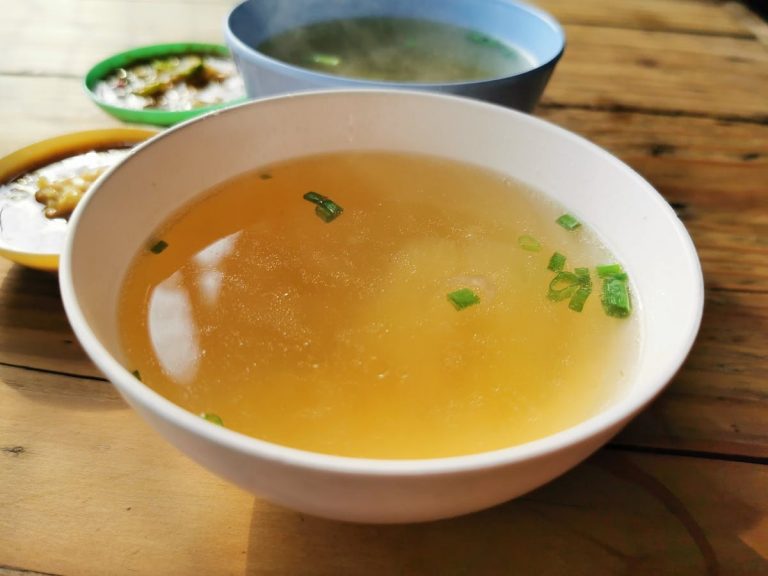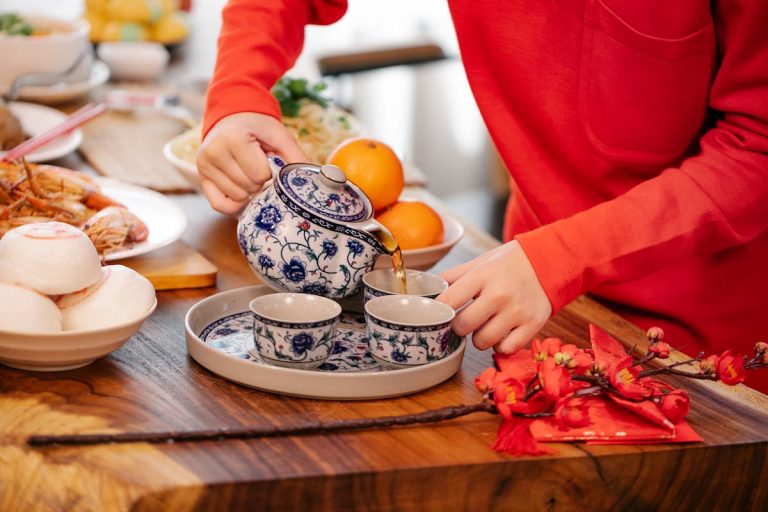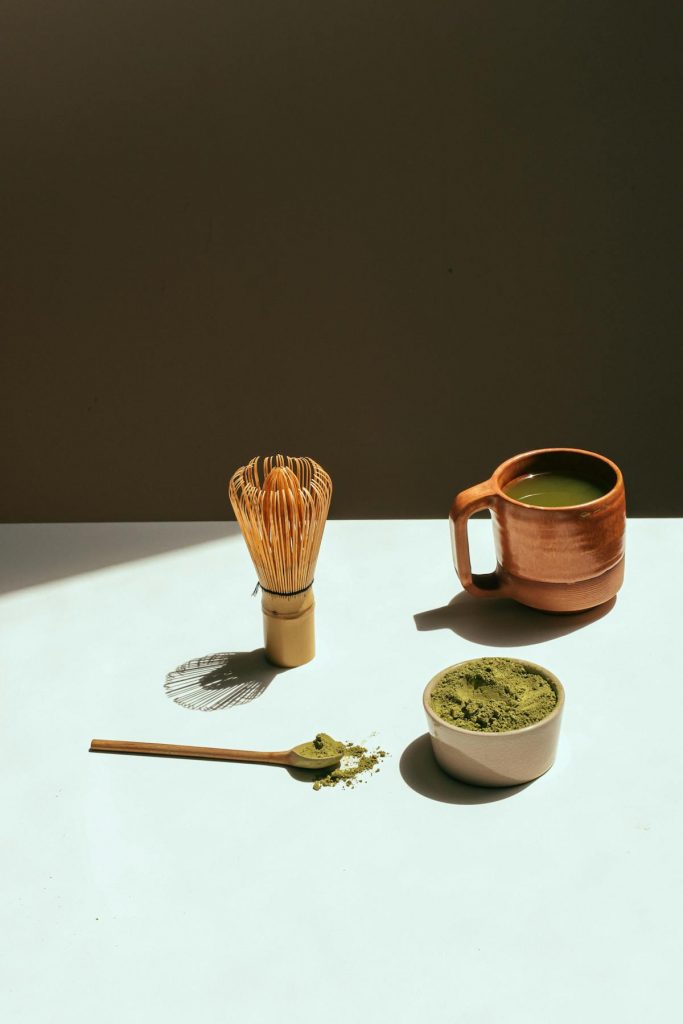
The global matcha boom has introduced millions of consumers to Japanese green tea — but matcha represents less than 5% of Japan’s total tea production. The real story is far broader: sencha, gyokuro, hojicha, genmaicha, and a dozen other varieties constitute a $5 billion domestic market and a rapidly growing export category. For international buyers, the opportunity extends from premium loose-leaf retail to ready-to-drink beverages, food-service ingredients, and health-focused B2B applications. This is the complete guide to Japanese green tea beyond the matcha trend.

Japan’s Tea Varieties: A Comprehensive Guide
All Japanese green tea comes from the same plant — Camellia sinensis — but differences in cultivation, shading, harvesting, and processing produce dramatically different flavor profiles. Understanding these varieties is essential for any buyer entering the Japanese tea market.
Sencha (煎茶) — 58% of Production
Sencha is Japan’s everyday tea — the most produced, most consumed, and most versatile variety. The leaves are grown in full sunlight, steamed immediately after picking to halt oxidation (a process called sassei that distinguishes Japanese green tea from Chinese pan-fired varieties), then rolled, shaped, and dried into slender needle-like leaves.
Sencha offers a balanced flavor profile: vegetal and grassy with marine undertones, a pleasant umami sweetness, mild astringency, and a clean finish. Quality varies enormously depending on harvest timing (first flush in April-May is most prized), cultivar, and processing skill. Premium sencha from the first harvest can cost $50-$100 per 100g, while everyday supermarket sencha sells for $3-$5 per 100g.
For international markets, sencha represents the largest volume opportunity. It can be positioned as a premium daily drinking tea, competing with and complementing Chinese green teas like Longjing and Bi Luo Chun.
Gyokuro (玉露) — The Pinnacle
Gyokuro, meaning “jewel dew,” is the most prestigious (and expensive) Japanese green tea. Three weeks before harvest, gyokuro bushes are covered with shade structures that block 80-90% of sunlight. This deprivation of light triggers a dramatic biochemical response: the plant increases chlorophyll production (deepening the leaves’ color to almost black-green) and converts catechins (which taste bitter and astringent) into theanine (which tastes sweet and umami-rich).
The result is a tea of extraordinary depth — intensely savory, with a rich sweetness reminiscent of seaweed broth, negligible bitterness, and a viscous, almost oily mouthfeel. Gyokuro is brewed at a much lower temperature than sencha (50-60°C vs. 70-80°C) to extract its delicate flavors without releasing harsh tannins.
Production is tiny — gyokuro accounts for less than 1% of Japanese tea output. Prices range from $30 to over $300 per 100g for competition-grade lots. For international retailers, gyokuro is an ultra-premium product positioned alongside fine wine and single-origin coffee for discerning consumers.
Hojicha (ほうじ茶) — The Roasted Revival
Hojicha is green tea that has been roasted at high temperatures (typically 200°C), which transforms its color from green to reddish-brown and its flavor from vegetal to warm, toasty, and caramelized. The roasting process also reduces caffeine content significantly, making hojicha popular as an evening tea and a beverage suitable for children and caffeine-sensitive consumers.
Hojicha has emerged as the breakout variety in international markets over the past three years. Its approachable, non-grassy flavor profile appeals to consumers who find standard green tea too bitter or vegetal. Hojicha lattes have appeared at specialty coffee shops worldwide, and hojicha powder (analogous to matcha powder) is being used in ice cream, chocolate, baked goods, and cocktails. For food-service operators, hojicha offers a distinctly Japanese flavor that is more versatile and less polarizing than matcha.
Genmaicha (玄米茶)
Genmaicha blends sencha or bancha with toasted brown rice (genmai), some grains of which pop during roasting to resemble tiny popcorn kernels. The result is a nutty, toasty, comforting tea with lower caffeine than pure sencha. Genmaicha is widely consumed in Japan as a casual, everyday drink and has strong potential in international markets as a unique flavored tea requiring no additives or artificial ingredients.
Other Notable Varieties
Kukicha (茎茶): Made from stems and twigs rather than leaves, kukicha has a lighter, slightly sweet and creamy flavor with very low caffeine. It is popular in macrobiotic diets and health-food channels.
Bancha (番茶): A lower-grade sencha made from later harvests or larger, more mature leaves. Bancha is economical, robust, and serves as the base tea in many Japanese restaurants and vending machines.
Kabusecha (かぶせ茶): A “halfway” tea between sencha and gyokuro, shaded for about one week before harvest. It offers more umami than sencha without gyokuro’s intensity or price — an excellent value proposition for the premium retail market.
Fukamushicha (深蒸し茶): Deep-steamed sencha, processed with a longer steaming time (60-120 seconds vs. 30-40 seconds for standard sencha). This produces a richer, smoother, less astringent cup with a deeper green color. Fukamushicha accounts for a significant share of sencha production in Shizuoka Prefecture.
Production Regions: Terroir in the Tea Fields
Japan’s tea-growing regions, like wine appellations, impart distinctive characters to their teas based on climate, soil, altitude, and tradition.
Shizuoka Prefecture — 36% of National Production
Shizuoka is Japan’s largest tea-producing region, stretching along the Pacific coast with Mount Fuji as its backdrop. The prefecture’s diverse microclimates — from coastal lowlands to mountain slopes exceeding 600 meters — produce a wide range of sencha styles. Shizuoka is known for its fukamushicha tradition and its large-scale, mechanized production capability, making it the primary sourcing region for volume buyers.
Kagoshima Prefecture — 33% of National Production
Kagoshima in southern Kyushu has been closing the gap with Shizuoka rapidly. Its warmer climate allows earlier harvesting (first flush as early as late March), flat terrain enables efficient mechanized farming, and volcanic soils produce teas with a distinctive sweet, mild character. Kagoshima is increasingly important for organic tea production, as the climate and soil conditions are favorable for pest-resistant cultivation without chemical inputs.
Uji (Kyoto Prefecture) — The Prestige Region
Uji is to Japanese tea what Bordeaux is to wine — a name synonymous with the highest quality and centuries of tradition. Uji’s misty valleys along the Uji River produce Japan’s finest gyokuro and matcha, and the region’s tea masters are considered national treasures. Production volumes are small and prices are high, but Uji provenance carries unmatched prestige in both domestic and international markets.
Other Regions
Mie Prefecture is the third-largest producer by volume, known especially as a source of kabusecha. Fukuoka Prefecture in Kyushu produces excellent sencha and the distinctive Yame gyokuro, which rivals Uji’s reputation. Sayama (Saitama Prefecture) is known for its robust, fire-dried teas with a distinctive toasted note.
Export Trends
Japanese green tea exports have grown dramatically over the past decade, driven initially by the matcha boom but increasingly by demand for sencha, hojicha, and tea-based ingredients.
| Year | Export Volume (tonnes) | Export Value (JPY billions) | Export Value (USD millions, approx.) |
|---|---|---|---|
| 2015 | 3,516 | 10.1 | 84 |
| 2018 | 5,102 | 15.3 | 139 |
| 2020 | 5,274 | 16.2 | 153 |
| 2022 | 6,262 | 21.9 | 164 |
| 2023 | 7,087 | 29.2 | 211 |
| 2024 | 7,850 | 34.1 | 240 |
| 2025 (est.) | 8,500 | 38.0 | 267 |
Sources: Japan Ministry of Finance Trade Statistics; ITO EN Global Tea Report 2024; JETRO
The United States is the largest export market by value, followed by Germany, Taiwan, Singapore, and Canada. The EU market is growing rapidly, particularly for organic-certified teas. Middle Eastern markets, especially the UAE, are emerging as significant buyers of premium Japanese tea.
Health Benefits: The Science Behind the Claims
Japanese green tea’s health profile is one of its strongest selling points for international markets. The scientific evidence is substantial — far more robust than for most functional food categories.
Catechins (EGCG): Japanese green tea, particularly sencha, is among the richest dietary sources of epigallocatechin gallate (EGCG), a polyphenol antioxidant that has been the subject of thousands of peer-reviewed studies. Research has associated regular green tea consumption with reduced risk of cardiovascular disease, improved metabolic function, anti-inflammatory effects, and potential cancer-preventive properties. While health claims are regulated differently in each market, the body of evidence supports positioning green tea as a functional health beverage.
L-Theanine: This amino acid, abundant in shaded teas like gyokuro and matcha, promotes relaxation without drowsiness and improves focus and concentration. The combination of caffeine and L-theanine is often described as providing “calm alertness” — a selling point that resonates strongly with health-conscious consumers seeking alternatives to coffee.
Low Calorie, High Nutrient: Unsweetened green tea has essentially zero calories while delivering vitamins C, E, and B2, as well as minerals including manganese and potassium. In the context of global efforts to reduce sugar consumption, green tea’s role as a flavorful, zero-calorie beverage is a significant market advantage.
The Ready-to-Drink Market
Japan’s ready-to-drink (RTD) green tea market is one of the country’s largest beverage categories, valued at approximately ¥500 billion ($3.5 billion) annually. It is dominated by two giants:
Ito En, the world’s largest green tea company, produces the iconic Oi Ocha brand — Japan’s best-selling RTD green tea. Ito En has aggressively expanded internationally, with distribution in the United States, Europe, Australia, and Asia. Oi Ocha is now available in over 35 countries. The company also operates a significant B2B ingredients division, supplying tea extracts and powders to food manufacturers globally.
Suntory produces Iyemon, a premium RTD green tea brand developed in partnership with the historic Uji tea house Fukujuen. Suntory’s global beverage distribution network gives Iyemon access to markets worldwide, and the brand has expanded its range to include hojicha and genmaicha variants.
For international beverage companies, the RTD green tea segment offers significant white space. Japanese-style unsweetened green tea — cold-brewed, bottled, and marketed as a premium, zero-calorie beverage — has room to grow substantially in markets still dominated by sweetened iced tea and flavored water.
How Japanese Green Tea Differs from Chinese Green Tea
International buyers sometimes ask why they should source green tea from Japan when China produces far more and at lower cost. The differences are fundamental and create distinct market positions for each origin:
Processing Method: Japanese green tea is steamed (mushi-sei) to halt oxidation, while most Chinese green tea is pan-fired (kama-iri). Steaming preserves more of the bright green color, vegetal flavor, and umami notes. Pan-firing produces a more golden liquor with toasted, chestnut-like flavors. These are genuinely different products with different flavor profiles and different consumer appeal.
Cultivar: Japan’s dominant tea cultivar, Yabukita (covering approximately 70% of tea fields), was specifically bred for steamed green tea production. China grows hundreds of local cultivars, each suited to regional processing methods. The genetic base creates fundamentally different raw materials.
Consistency and Standards: Japan’s tea industry benefits from strict agricultural standards, rigorous pesticide residue testing (Japan’s MRLs are among the world’s strictest), and mechanized processing that ensures batch consistency. Chinese green tea quality varies more widely, though top-tier Chinese producers match or exceed Japanese standards.
Price Positioning: Japanese green tea occupies the premium segment globally. Average export prices per kilogram are 3-5 times higher than Chinese green tea. Competing on price against Chinese production is not viable — Japanese tea’s value proposition rests on quality, consistency, food safety reputation, and the “Made in Japan” premium.
Ceremonial vs. Culinary Grades
A distinction critical for B2B buyers: Japanese tea (particularly matcha, but also applicable to other varieties) is categorized into ceremonial and culinary grades.
Ceremonial grade refers to the highest quality, intended for drinking straight — whisked matcha, brewed gyokuro, or premium sencha. These teas are judged on color, aroma, flavor complexity, and mouthfeel. They command the highest prices and are sold primarily through specialty tea retailers, tea subscription services, and premium food-service outlets.
Culinary grade (sometimes called “ingredient grade” or “food-service grade”) is optimized for use in food and beverage manufacturing — lattes, ice cream, baked goods, smoothies, and savory applications. Culinary-grade teas may be slightly less vibrant in color or nuanced in flavor, but they perform well in recipes where the tea is blended with other ingredients. Prices are significantly lower, and volumes are higher.
For B2B buyers, culinary-grade Japanese tea represents the larger and faster-growing market opportunity. The explosion of matcha lattes, hojicha desserts, and green tea-flavored products globally has created massive demand for consistent, food-safe, reasonably priced tea ingredients.
B2B Ingredient Opportunities
Beyond finished tea products, Japanese green tea is increasingly traded as a functional ingredient for food, beverage, and nutraceutical manufacturing:
Tea Powders: Matcha, hojicha powder, and sencha powder for food manufacturers producing baked goods, confectionery, ice cream, dairy products, and beverages. The global matcha ingredients market alone is estimated at $4-5 billion and growing at 8-10% annually.
Tea Extracts: Concentrated liquid or powdered extracts rich in catechins and L-theanine for use in functional foods, dietary supplements, and cosmetics. Major Japanese suppliers include Ito En, Taiyo International, and Maruzen Pharmaceuticals.
Organic Certification: Demand for organic Japanese tea is growing faster than conventional, driven by clean-label trends in food manufacturing. Kagoshima Prefecture has emerged as the leading source of organic Japanese tea, with multiple JAS (Japanese Agricultural Standard) certified producers. USDA Organic and EU Organic equivalency agreements simplify certification for export.
Sourcing Guide
For international buyers looking to source Japanese green tea:
Tea Auctions: Japan’s tea auction system (Shizuoka, Kagoshima, Kyoto) is the primary wholesale market. Direct participation requires a licensed broker, but exporters can source from auctions on behalf of international buyers.
Direct from Producers: Many Japanese tea farms and cooperatives now sell directly to international buyers, particularly for organic and single-origin products. JETRO’s supplier database and trade mission programs are valuable resources for establishing direct relationships.
Trading Companies: Japanese general trading companies (sogo shosha) like Mitsubishi, Mitsui, and Marubeni have food divisions that handle tea exports. They offer the advantage of established logistics, credit terms, and regulatory compliance support.
Trade Shows: World Tea Expo (USA), SIAL (Paris), Anuga (Cologne), and Foodex Japan (Tokyo) are key events for meeting Japanese tea exporters and sampling products.
Minimum Orders: For loose-leaf tea, minimum orders typically start at 10-50 kg per variety. For tea powders and extracts, minimums may be 100-500 kg. Some specialty producers offer smaller trial quantities for new customers.
Interested in sourcing Japanese green tea or connecting with Japanese tea producers? Contact Japonity — we connect global buyers with Japan’s finest food and beverage companies.