
Companies
Furukawa Bets on Light
The 140-year-old copper house bought optical fibre at the top of the telecom bubble - two decades later the assets finally fit the market
Companies
The 140-year-old copper house bought optical fibre at the top of the telecom bubble - two decades later the assets finally fit the market
How rollable ribbon fibre and fusion splicers turned a 140-year-old cable maker into a data-centre bottleneck supplier
From Himeji lamp maker to the ultraviolet and laser-driven light sources inside lithography, inspection and packaging tools

The Yokohama fastener maker earning strong margins on parts that cost a few yen - and barely care whether the car burns fuel
The strain wave gear is a public invention - and one Japanese company has spent 50 years owning the ability to build it
How a 2003 merger of a gear maker and a brake maker ended up supplying most of the world's precision robot reducers
The Sendai company that hired the engineers Japan's appliance majors let go - and rebuilt the value shelf
How Osaka's other vacuum-flask house turned a 1923 workshop into a private global appliance brand
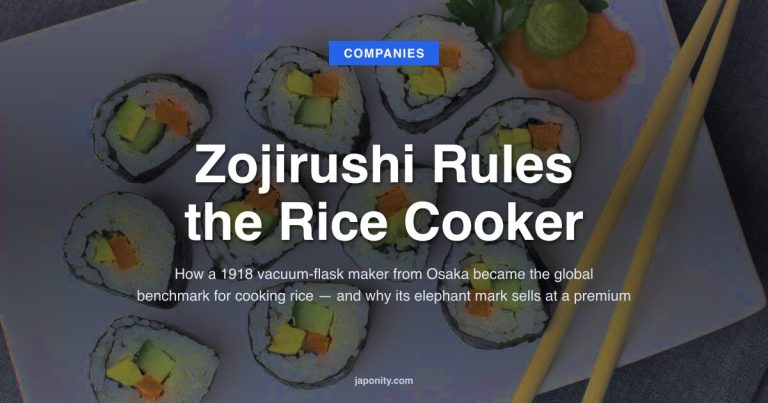
How a 1918 vacuum-flask maker from Osaka became the global benchmark for cooking rice — and why its elephant mark still sells at a premium abroad.
How Japan's second-longest private railway anchors the Asakusa-Nikko UNESCO corridor — and how the Tokyo Skytree, Ikebukuro Tobu Department Store and Tobu Hotels build a ~150-group-company conglomerate.
How Tokyo's Shinjuku-Odawara private rail line became the dominant Hakone gateway — and how the Hakone Free Pass, Enoshima coast line and Hakone Tozan Railway anchor Odakyu's tourism-revenue mix.
How a 1946 Tokyo lab grew through Sekkisei, DECORTÉ and Albion to become Japan's #2 cosmetics maker — and how the 2014 Tarte acquisition extended its reach into US millennial color cosmetics.